ONGOING
Maxx Royal Maldives
TOURISM
2026
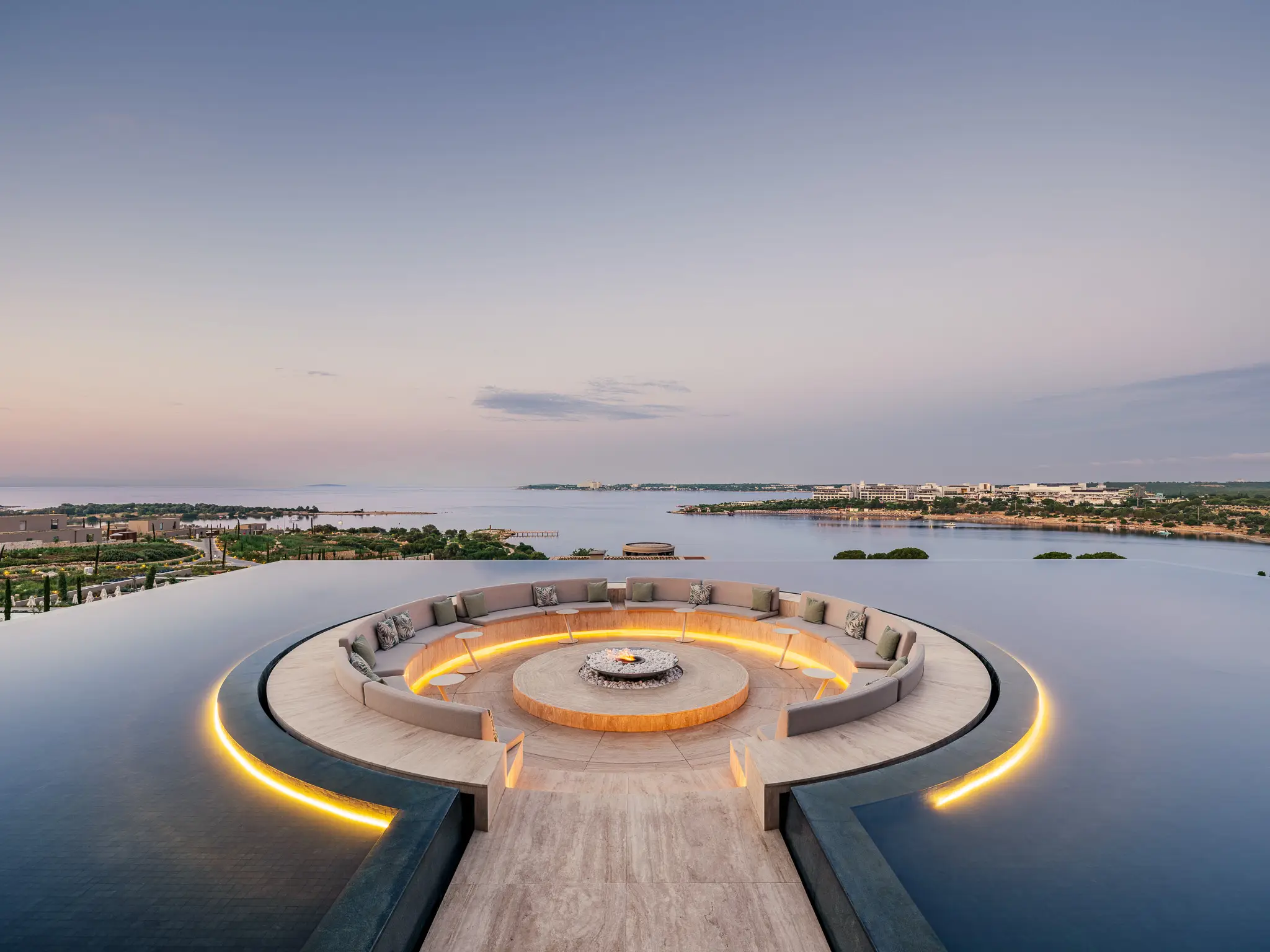
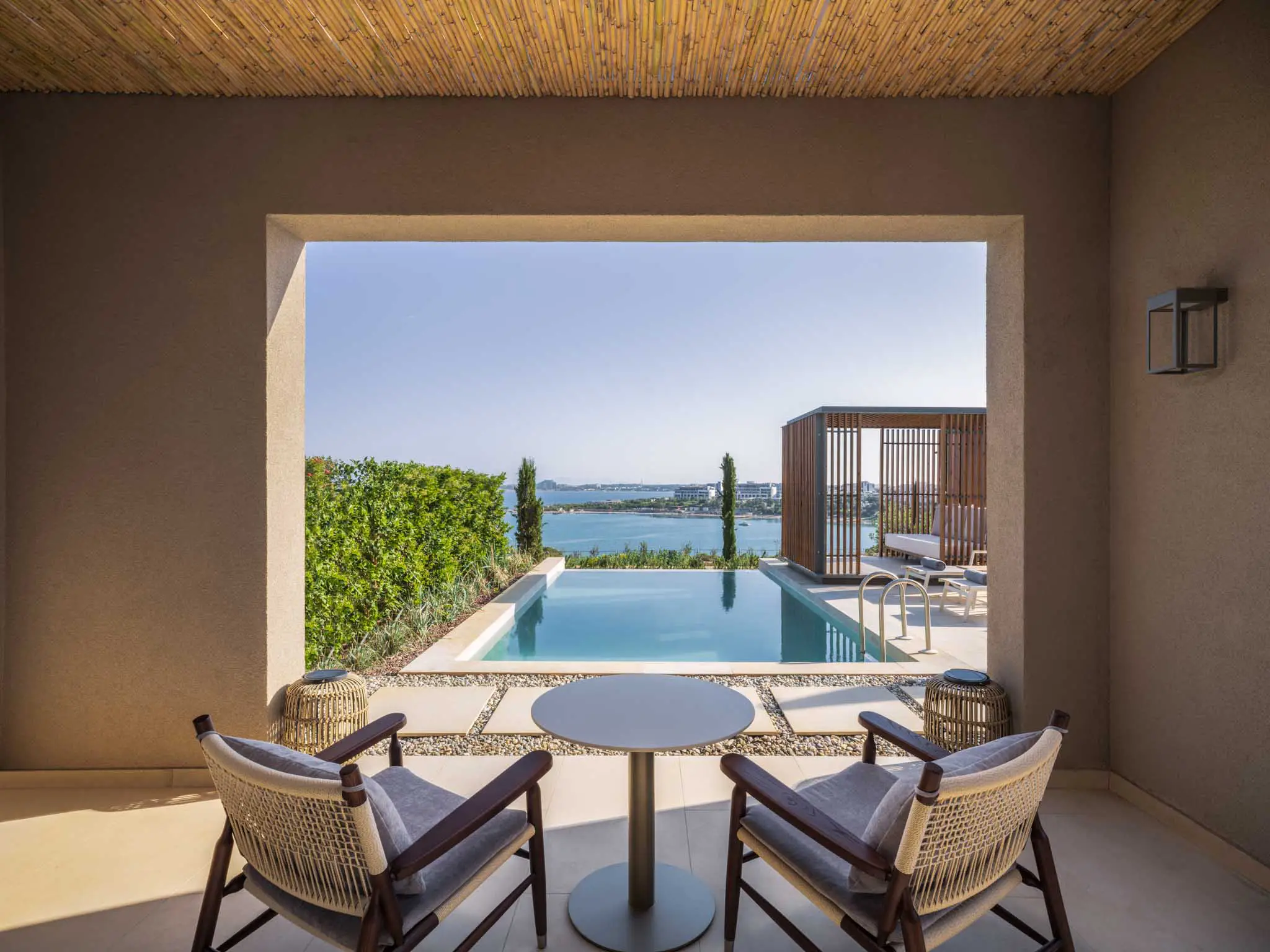
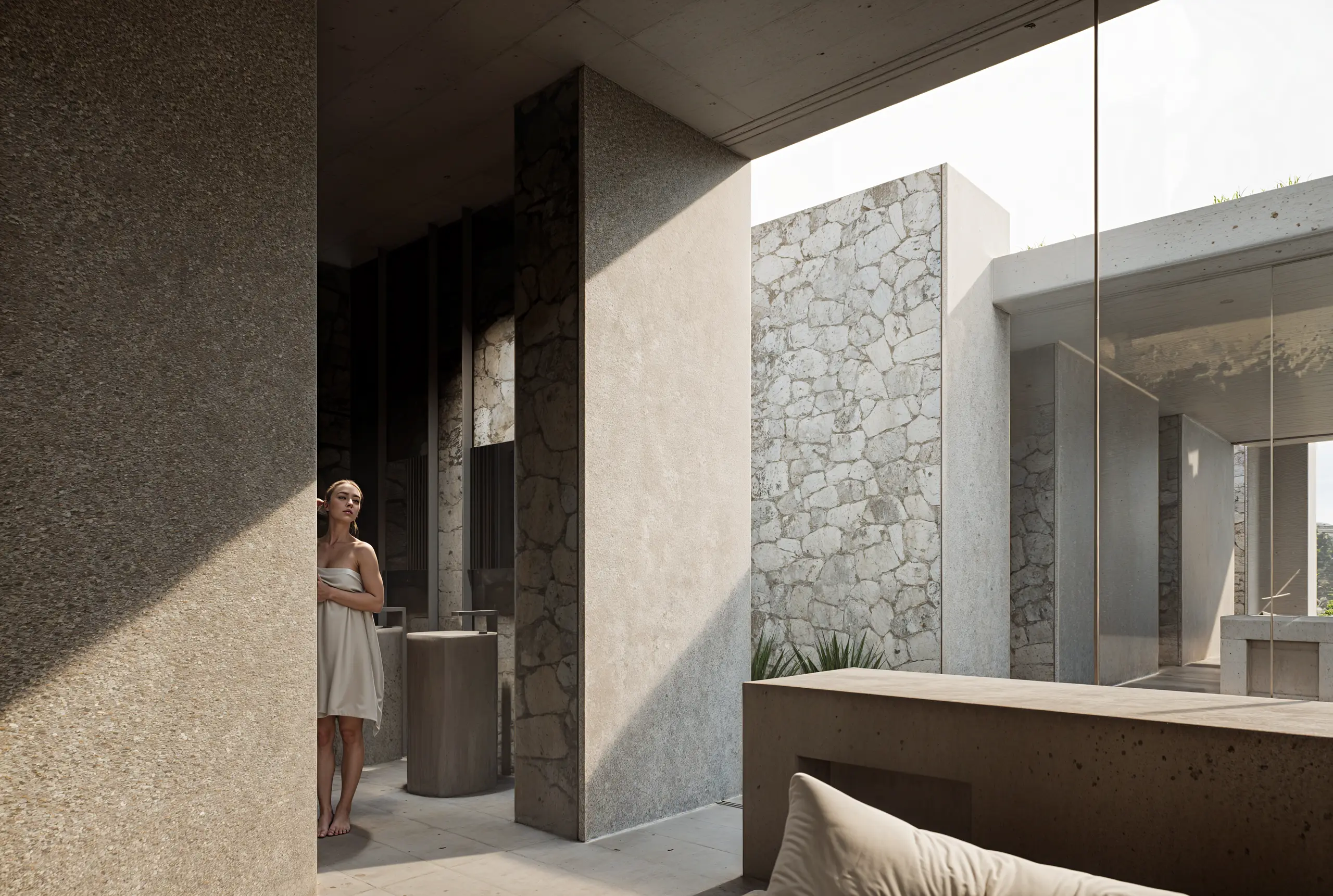
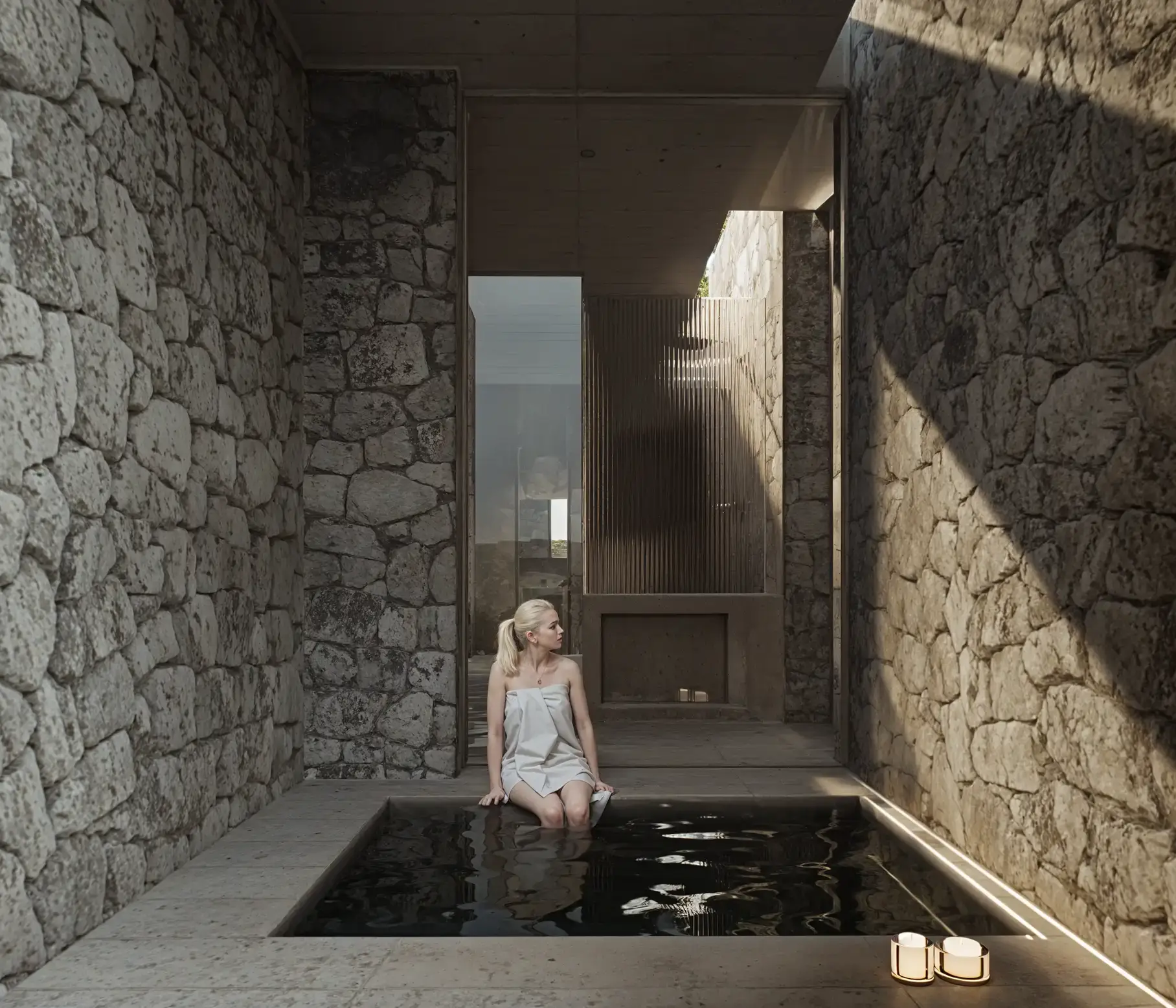
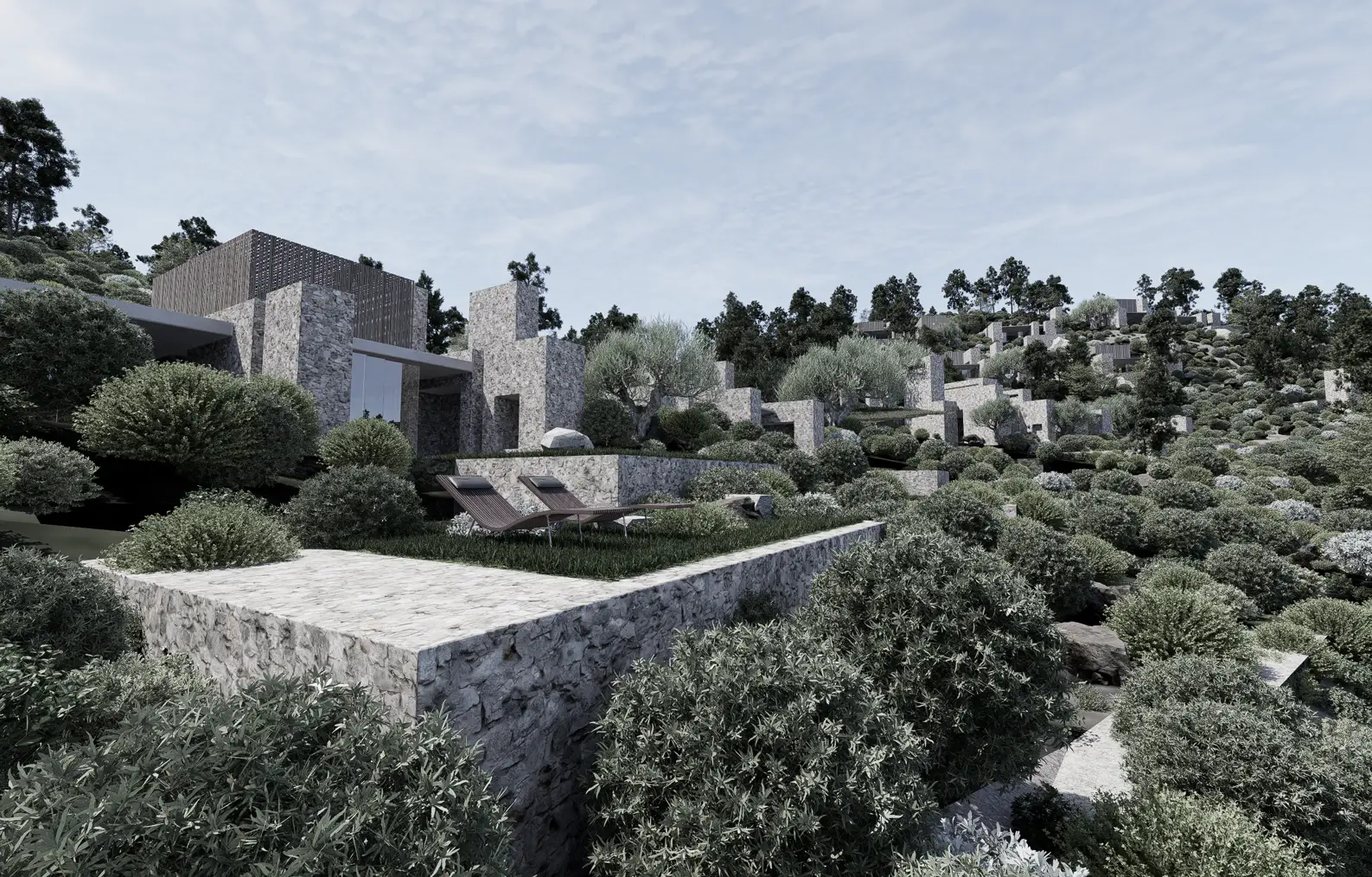
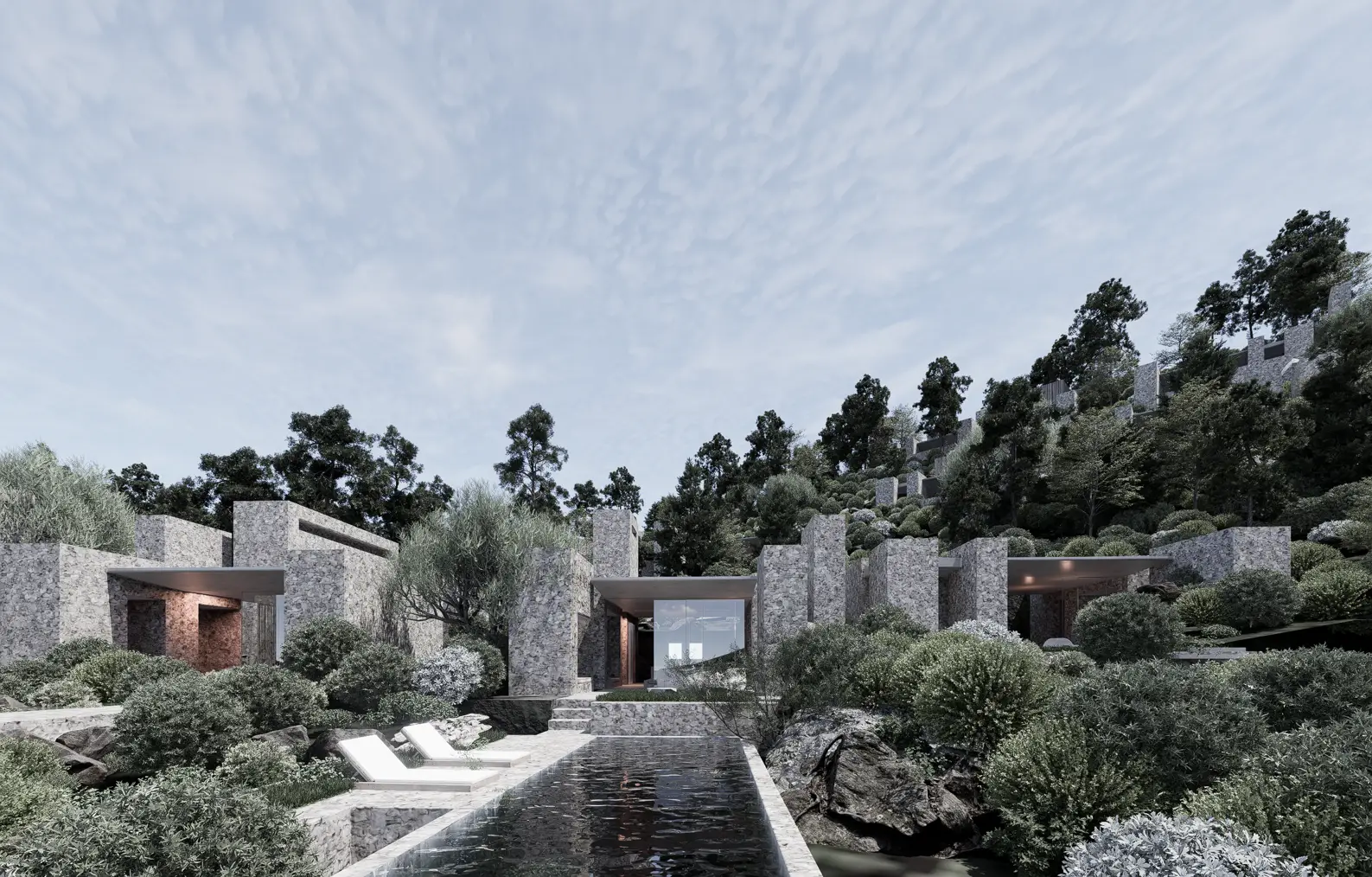
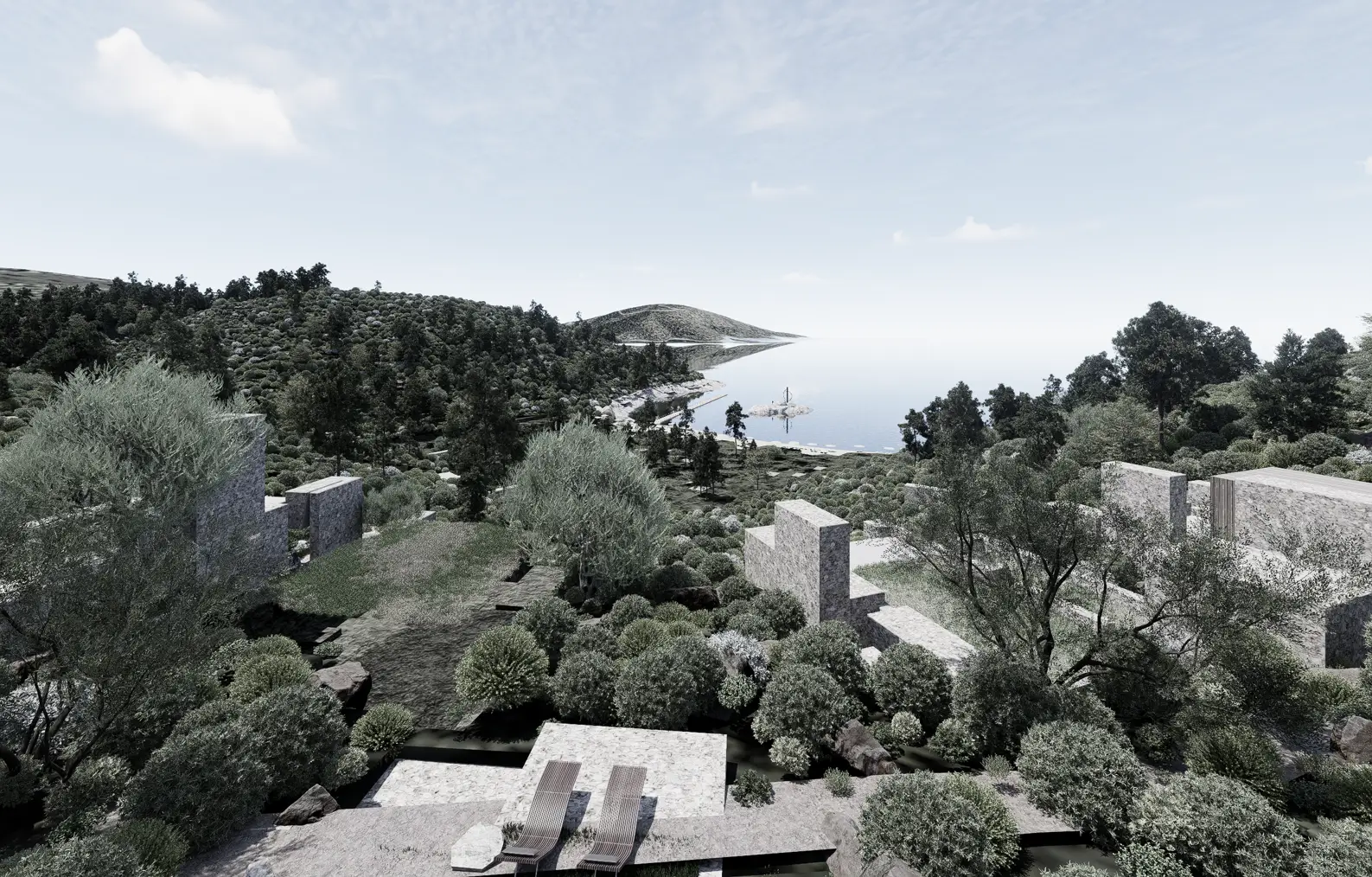
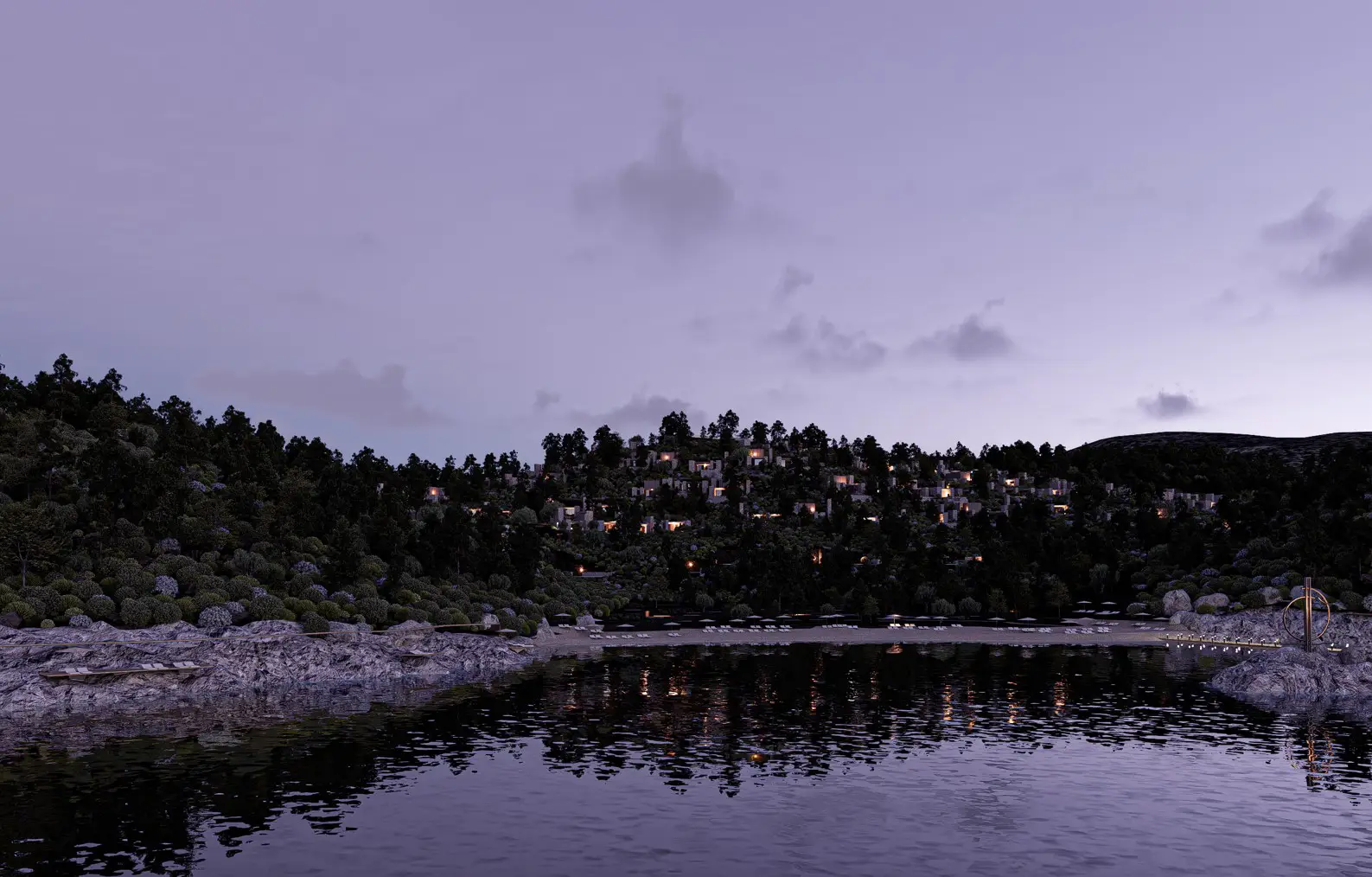
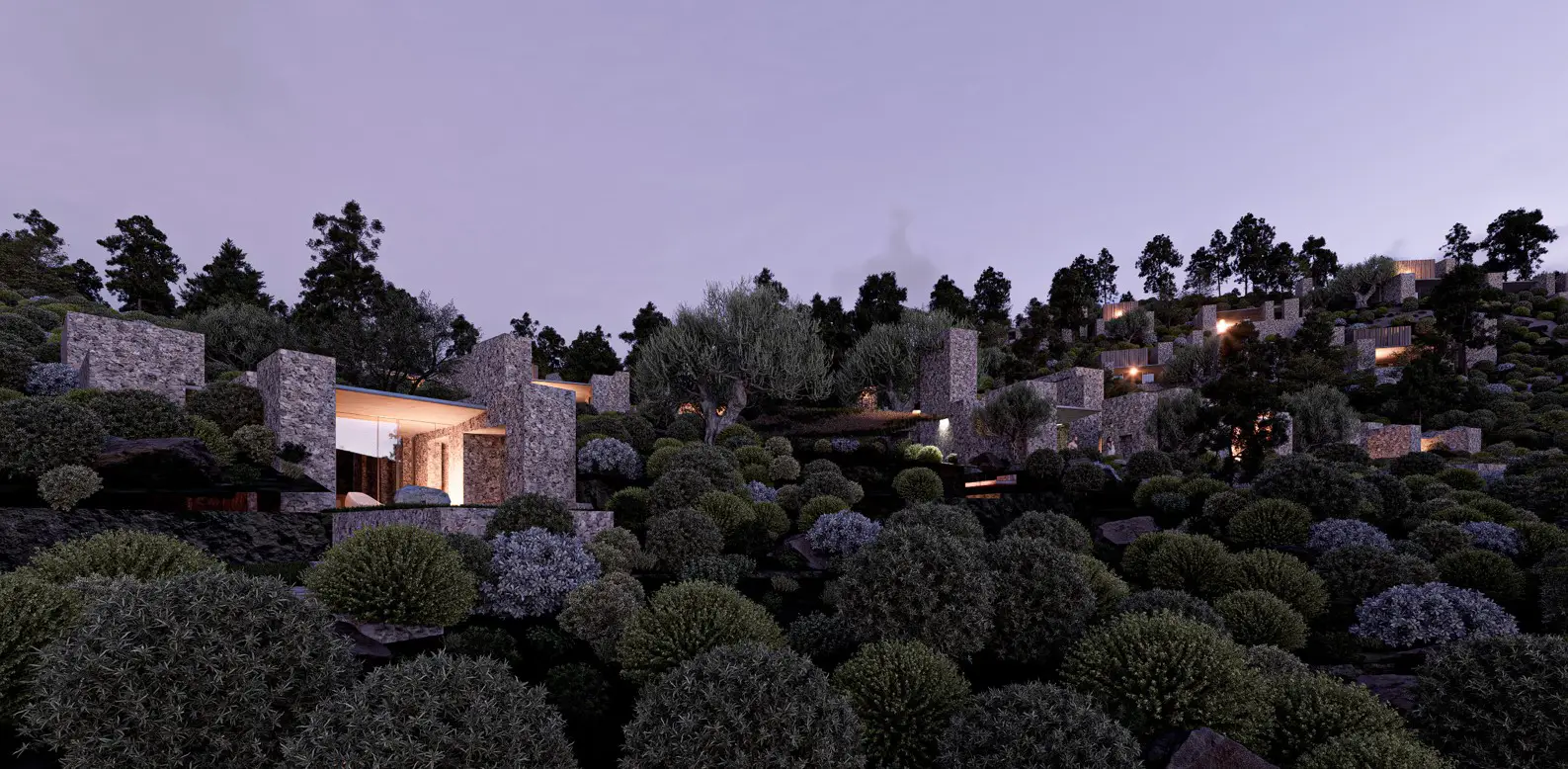
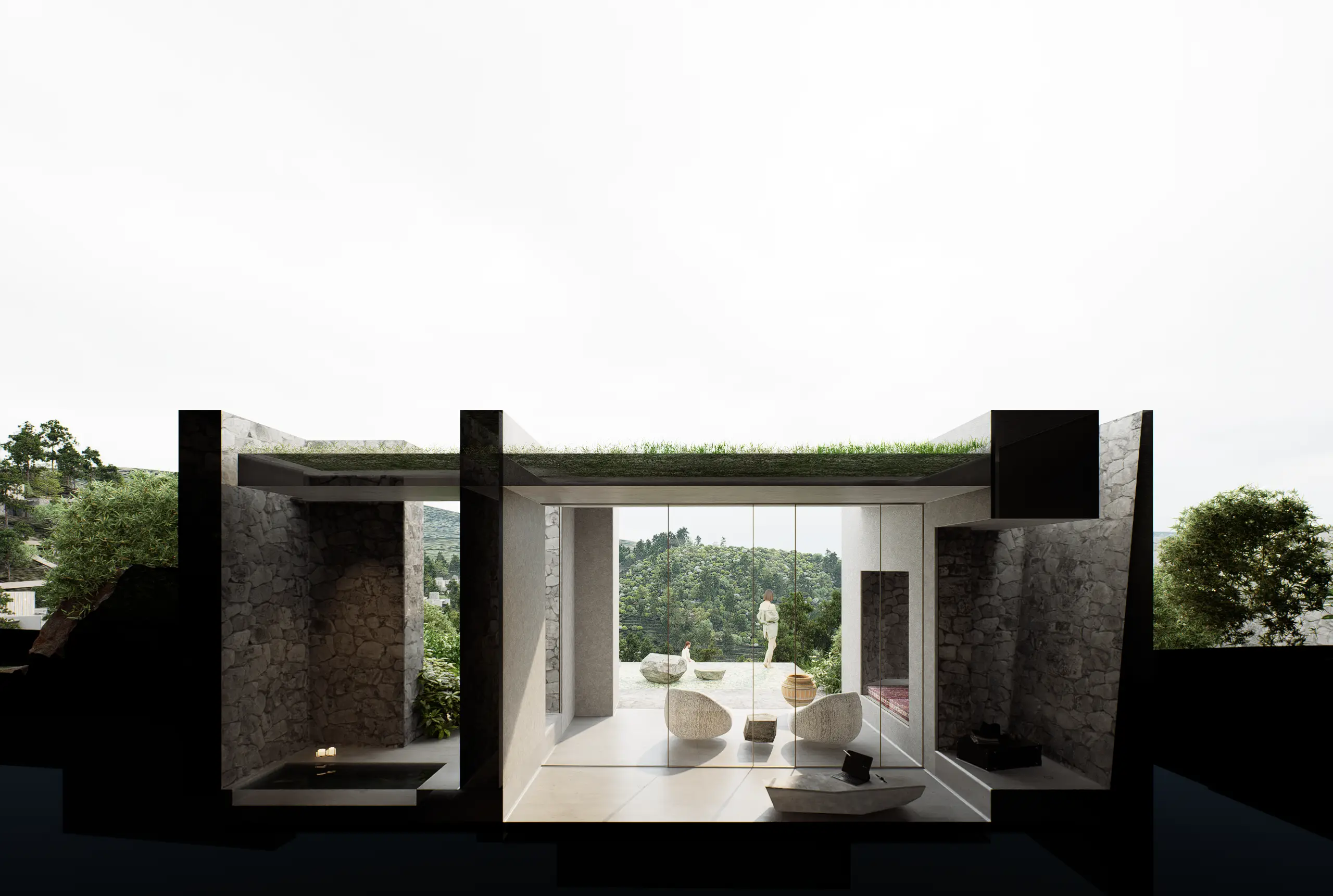
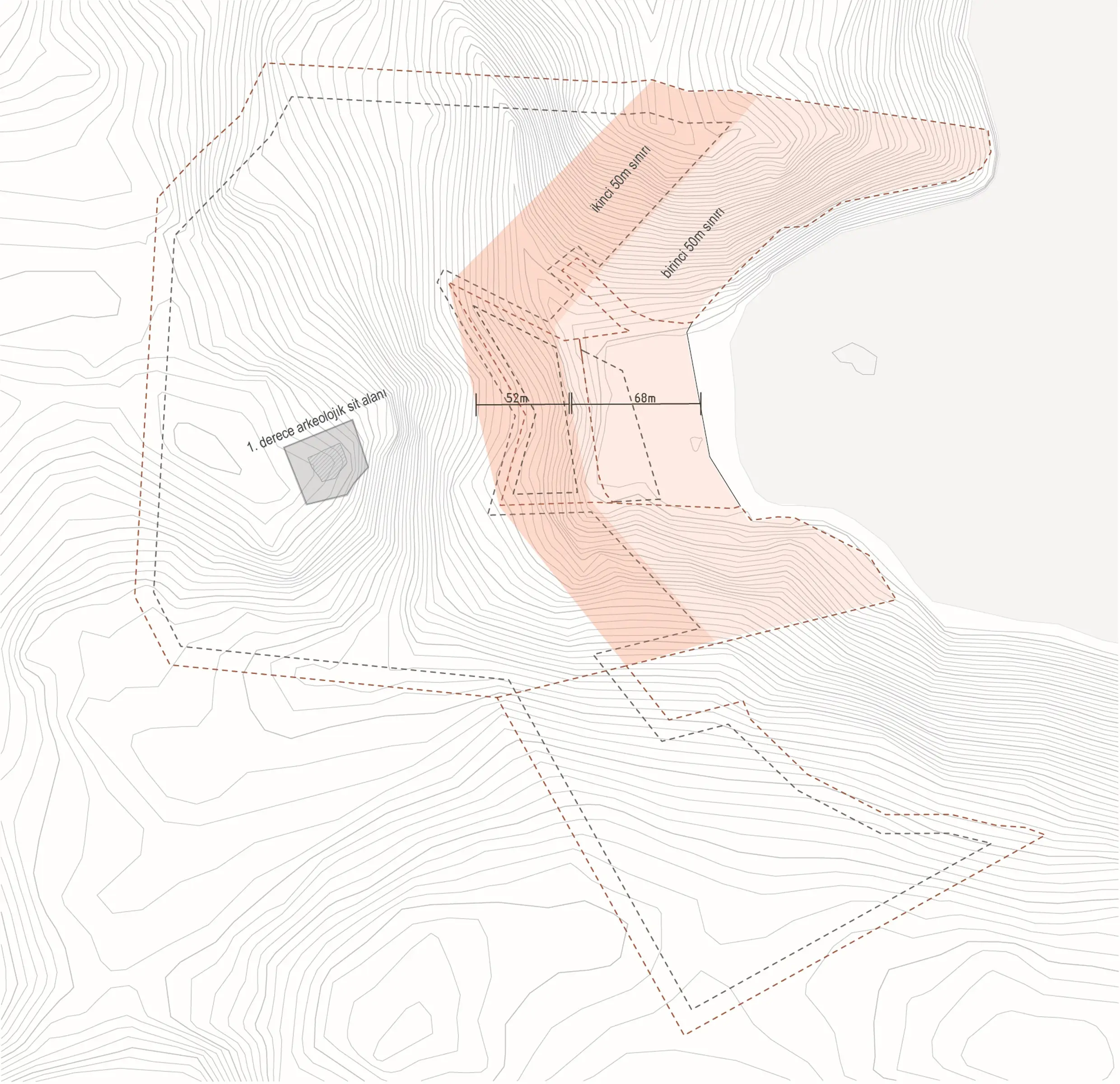
A settlement on the Bodrum coast that reads the natural topography and maquis rather than transforming them. The buildings are conceived as pieces that follow the rhythm of the land instead of standing against it; the stone walls do more than mark boundaries, becoming spaces to sit in, find shade in and experience.
Location
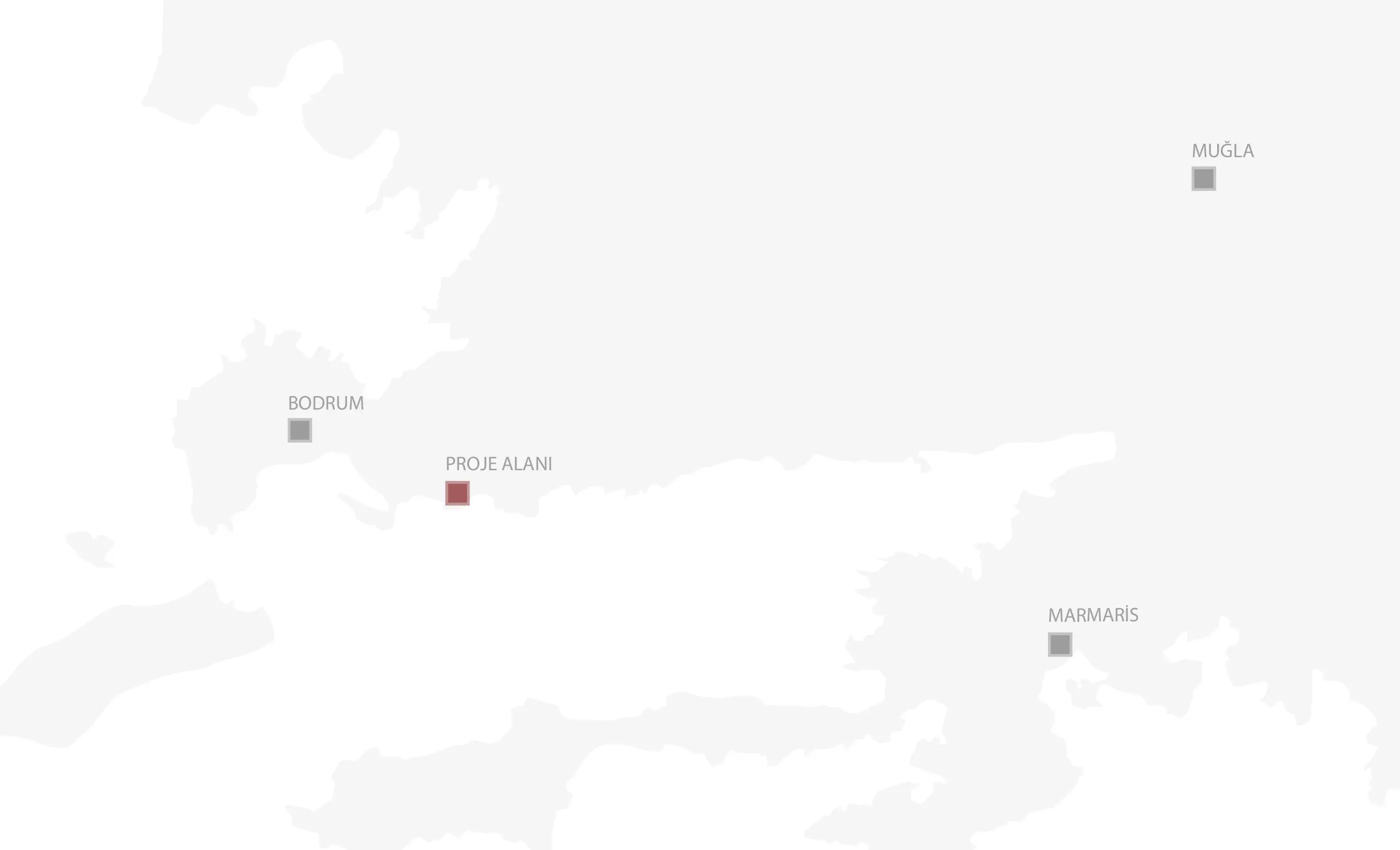
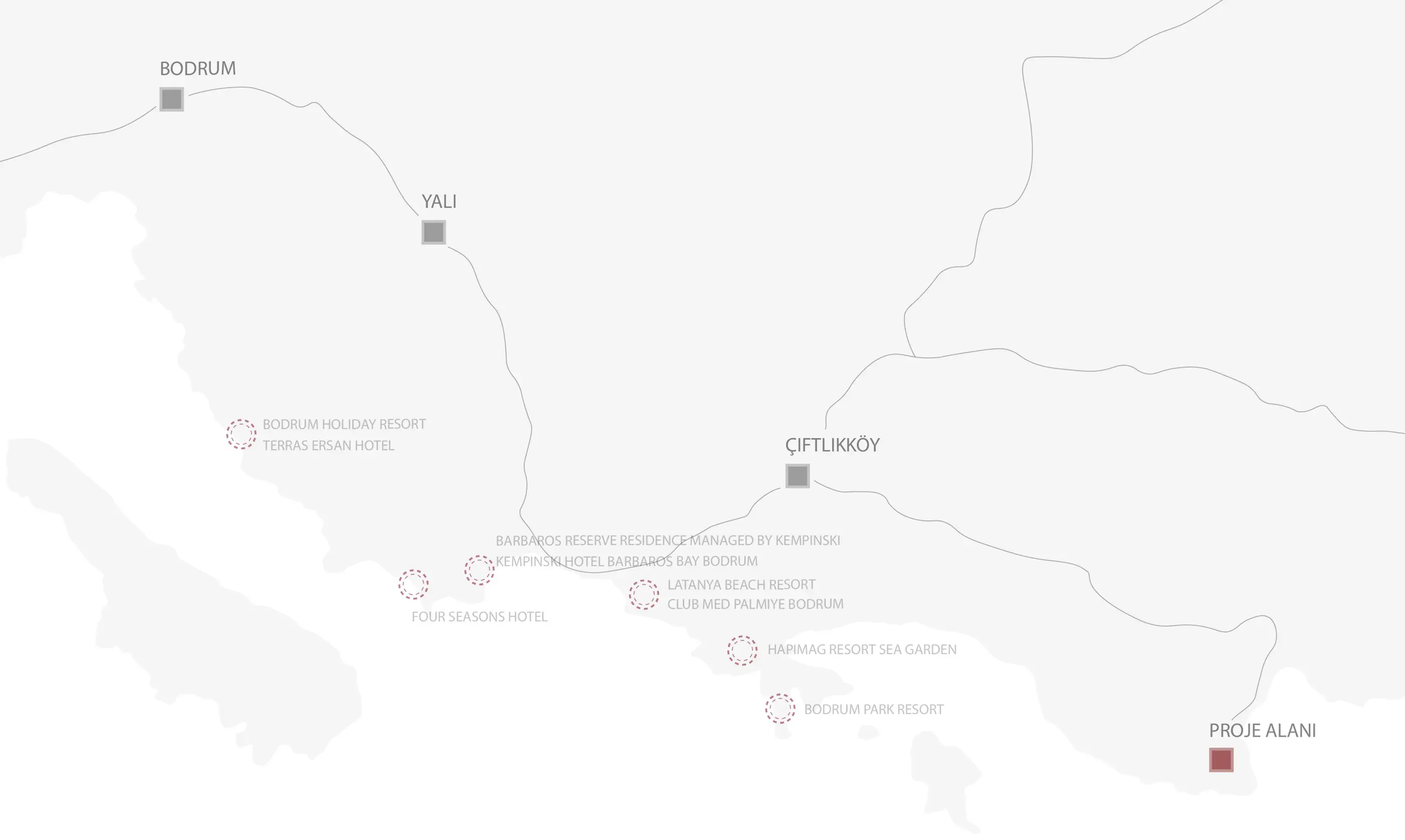
Bodrum, Muğla
Year
2025
Program
TOURISM



01
/
02
02
/
02
01
/
03
02
/
03
03
/
03

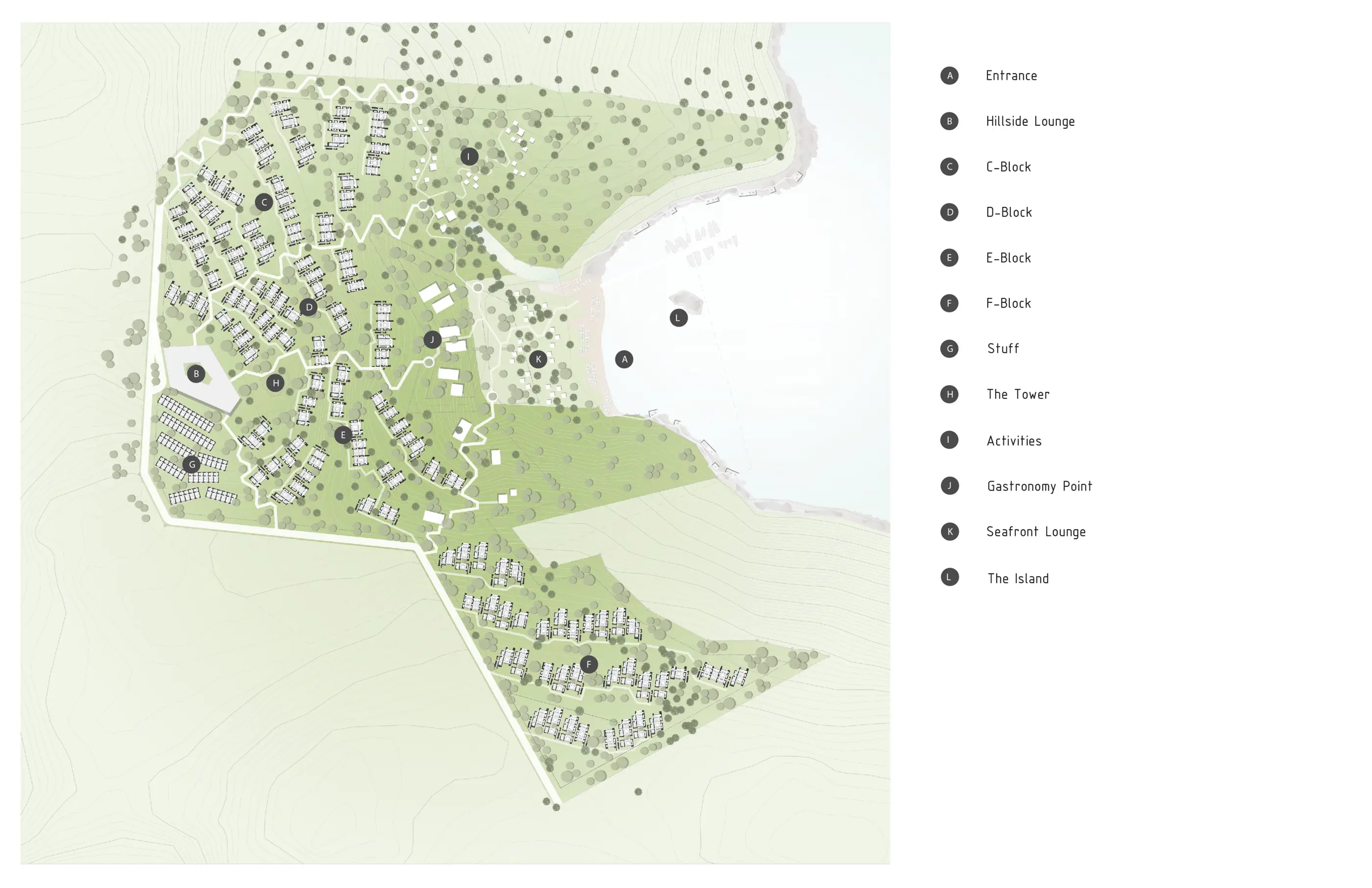
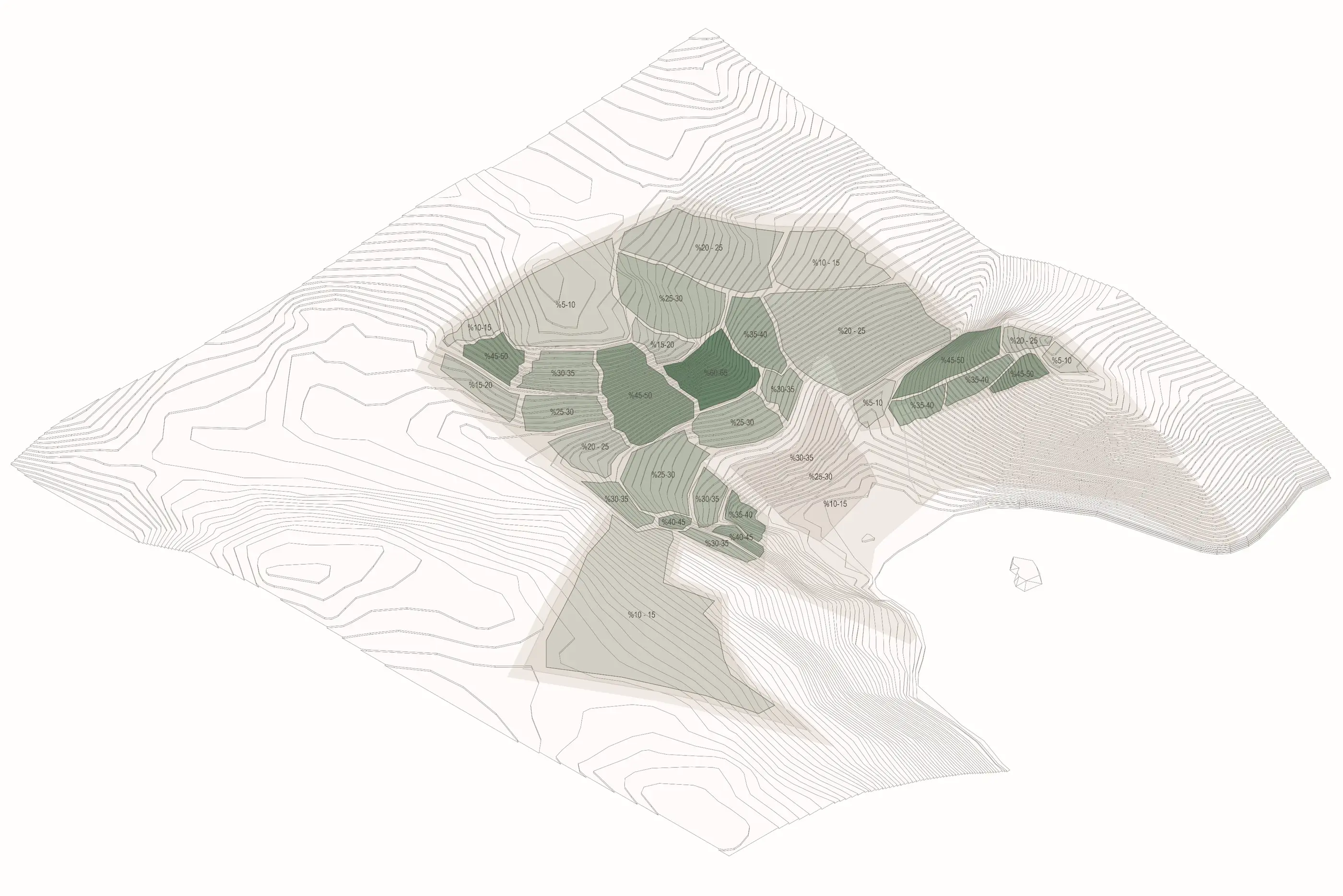
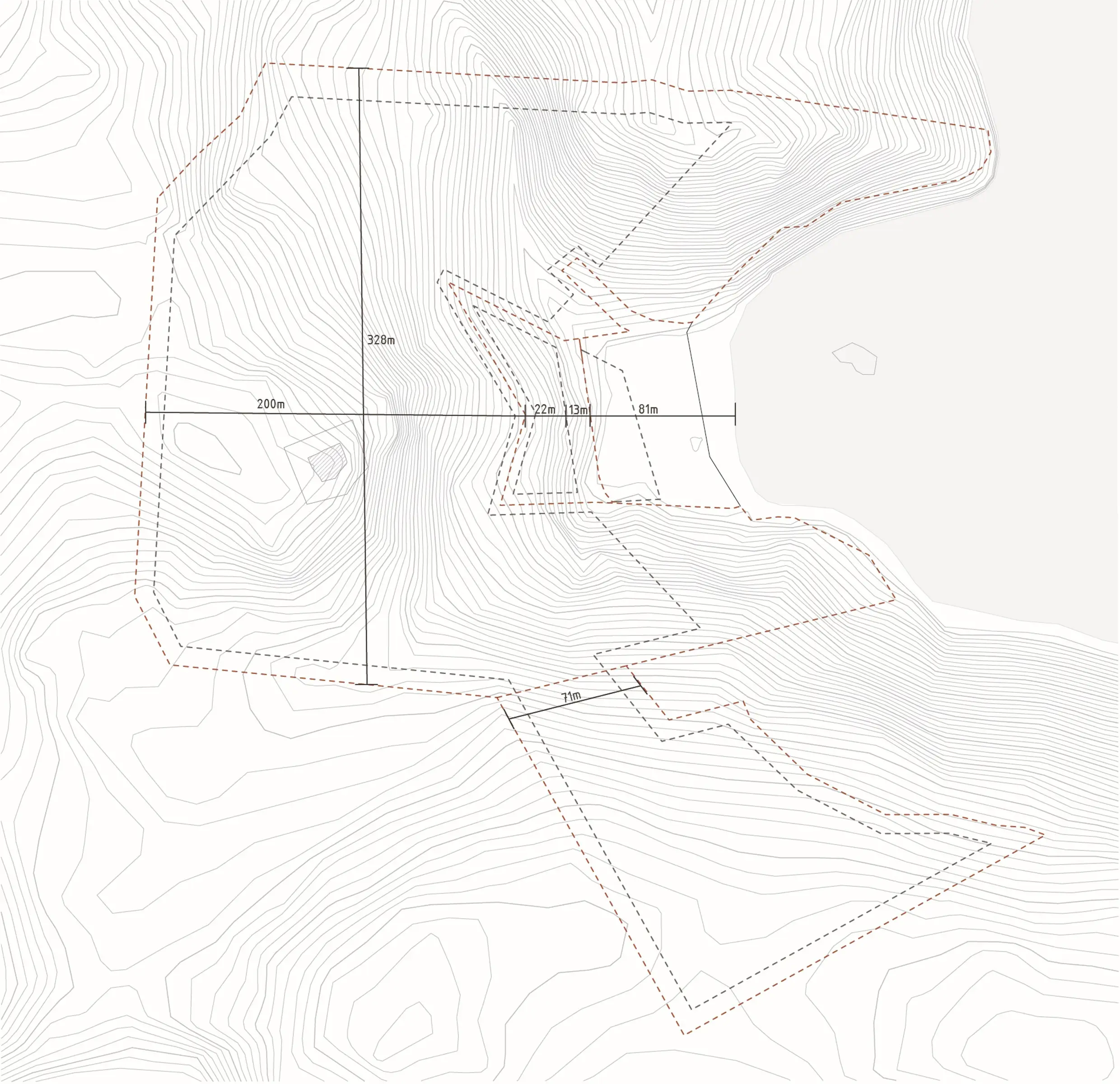
Some places ask for a careful look rather than a strong intervention. Adalıyalı took shape as a process in which design focused on understanding the land and revealing its potential rather than transforming it. Located on the Bodrum coast, the site, with its natural topography, maquis, rocky shores and archaeological layers, forms the starting point of the design. Rather than imposing a new order, the approach seeks an architectural language that develops in harmony with the existing landscape. The first step was not to define buildings, but to read carefully the character of the place and the relationships it offers.
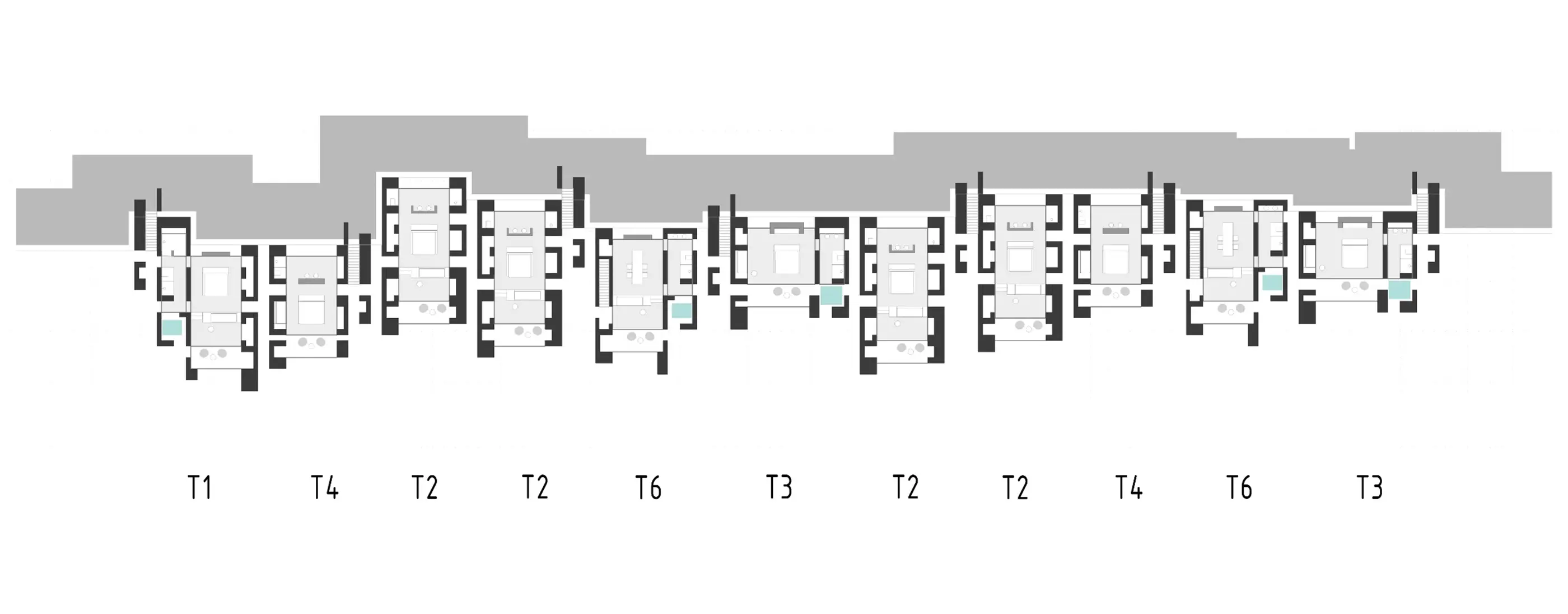
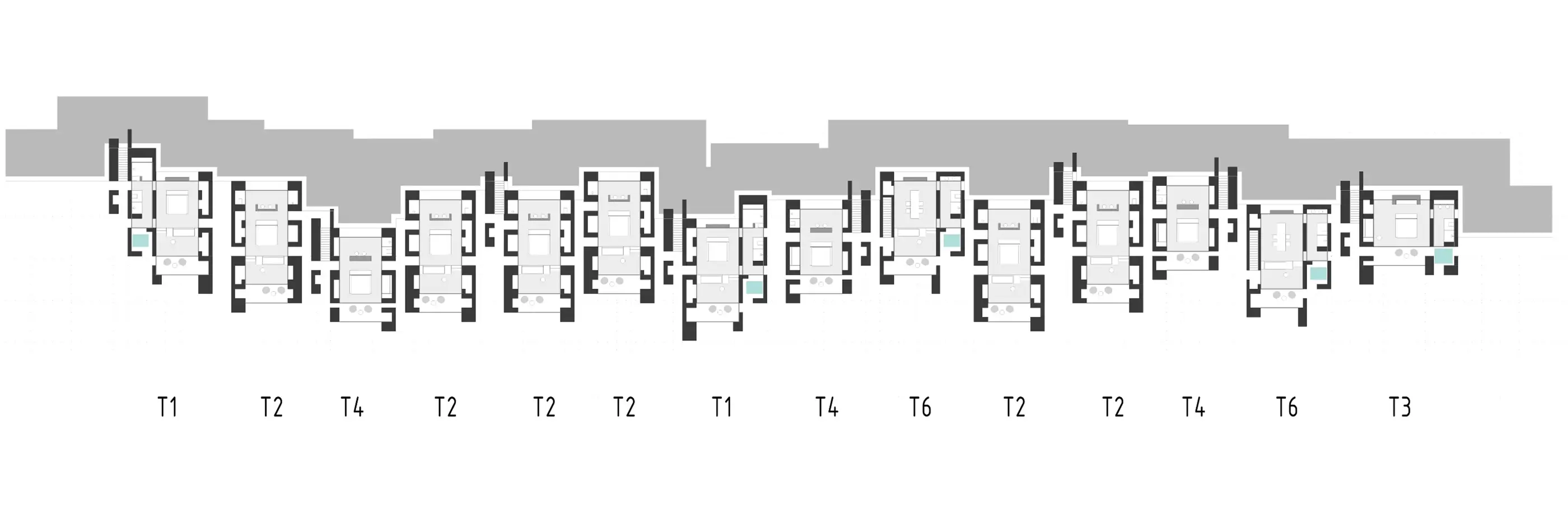
The idea guiding the project is that the natural landscape is not a backdrop to be preserved, but the fundamental organisation of the architecture. The slopes, existing vegetation, openings towards the shore and natural circulation traces directly shape the settlement. The buildings are treated not as isolated objects standing against the topography, but as pieces that follow the rhythm of the land. Architecture thus becomes a new layer that makes the continuity of the landscape visible rather than interrupting it.
The settlement is built on a fluid circulation system that imposes no fixed route, inviting people to explore, pause and experience the surroundings from different angles. Buildings, open spaces and landscape are connected through thresholds and transitions rather than separated by sharp boundaries. The spaces are not wholes grasped at a single glance, but experiences that unfold layer by layer as you move.
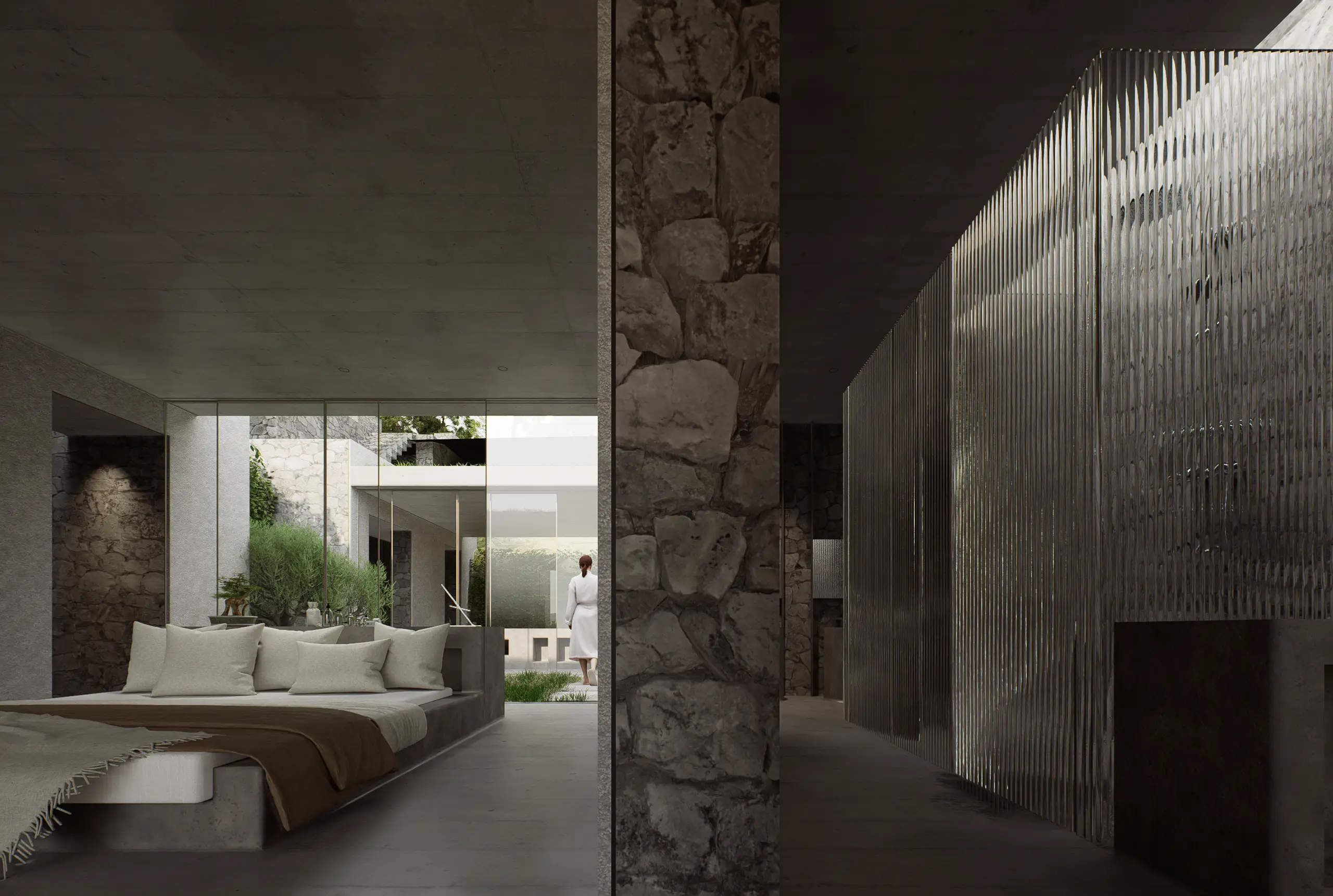
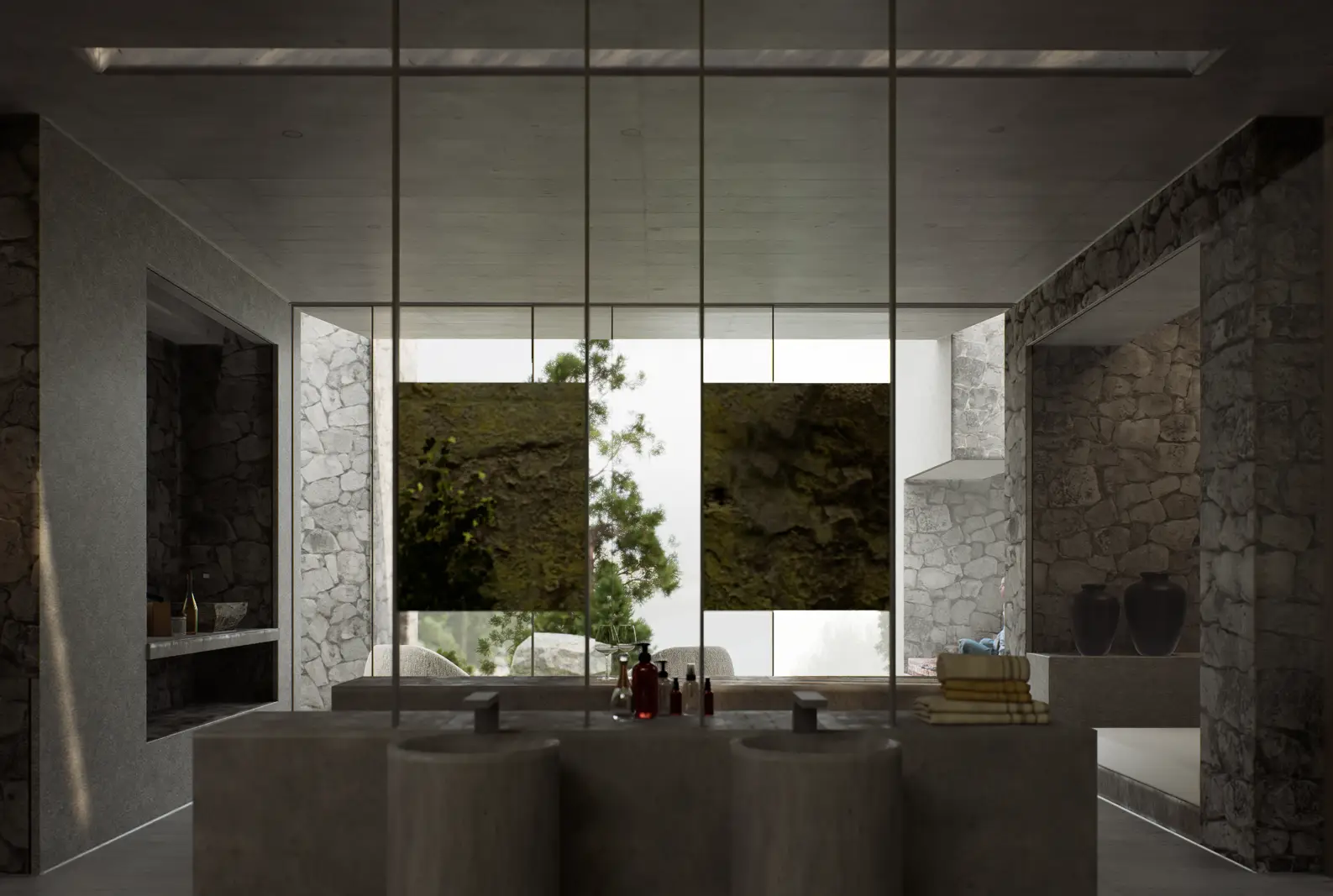
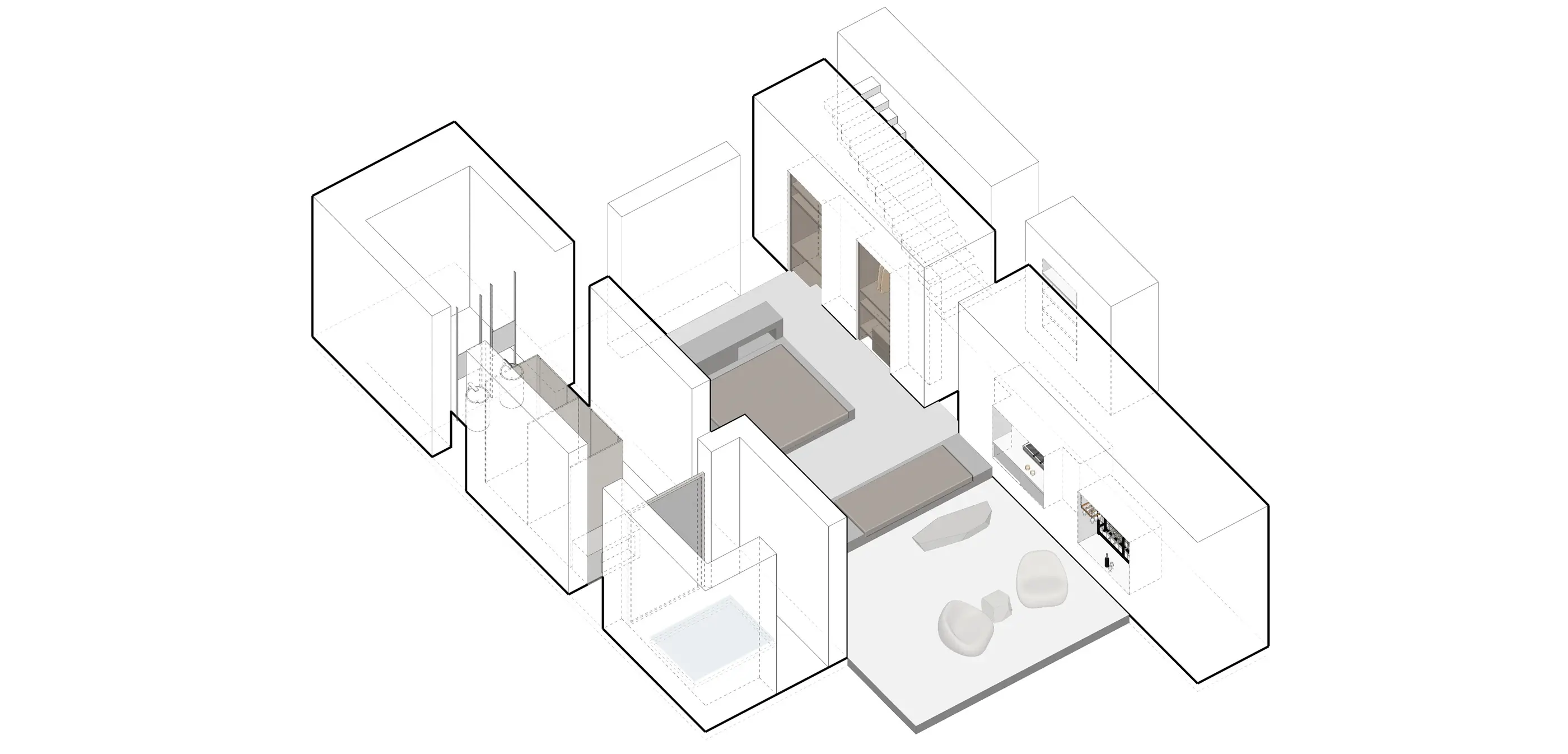
The stone walls play a key role in this approach. They are not just elements that define boundaries; thickening, carved out and widening at different levels, they become active parts of the spatial experience. Each niche offers a different use: to pause, find shade, sit or turn towards the view. The wall is no longer a line separating two spaces; it becomes an architectural volume in its own right, lived in, spent time in and connected to the landscape.
Within this continuity, architecture creates spatial encounters that evolve with the rhythm of the landscape rather than producing objects. Light, shade, wind and vegetation create atmospheres that change through the day, while visitors experience the landscape around them at different scales.
Other work by Baraka at a similar scale and program.