
ONGOING
Antalya Archaeological Museum
MUSEUM
2026
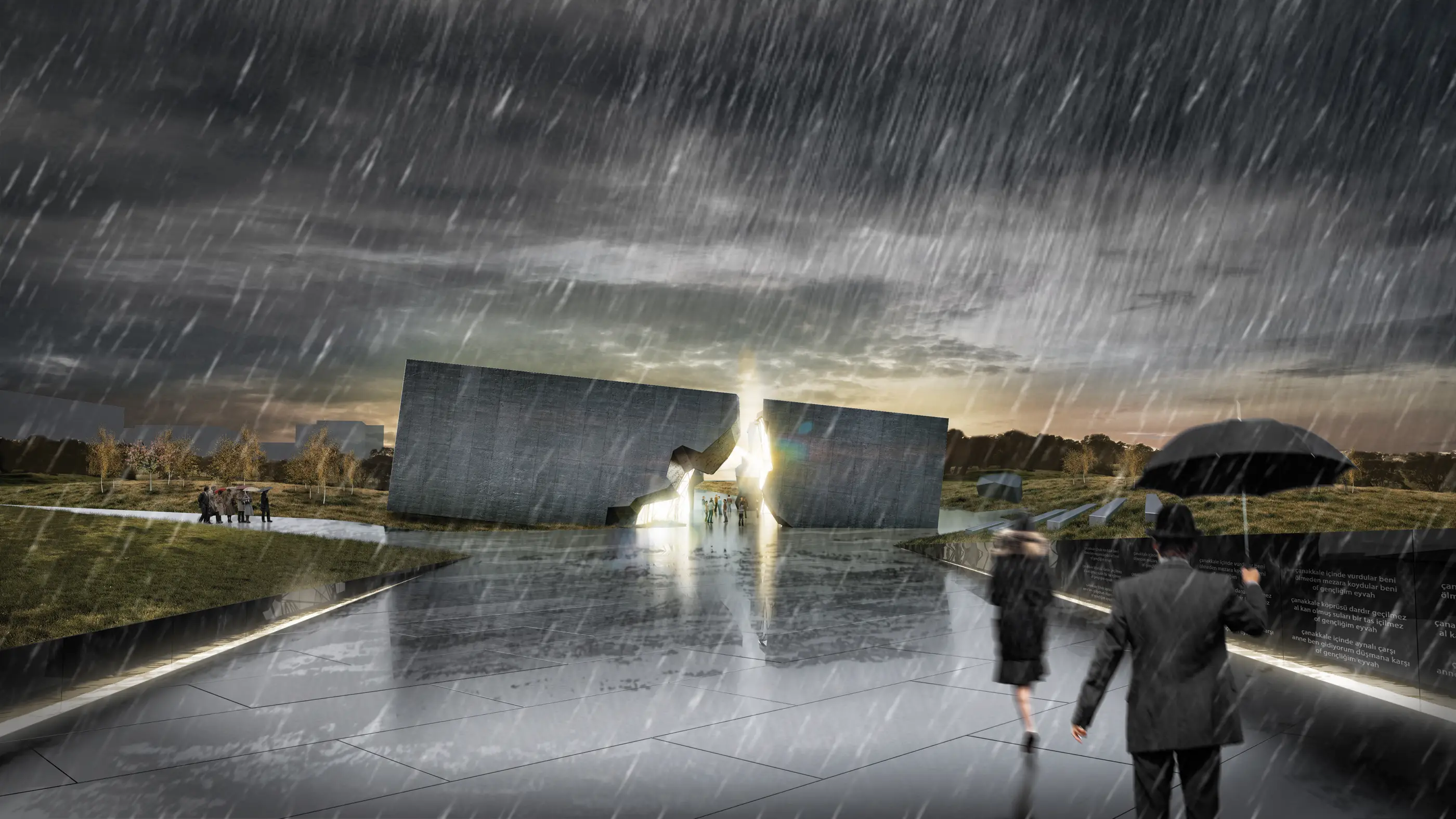
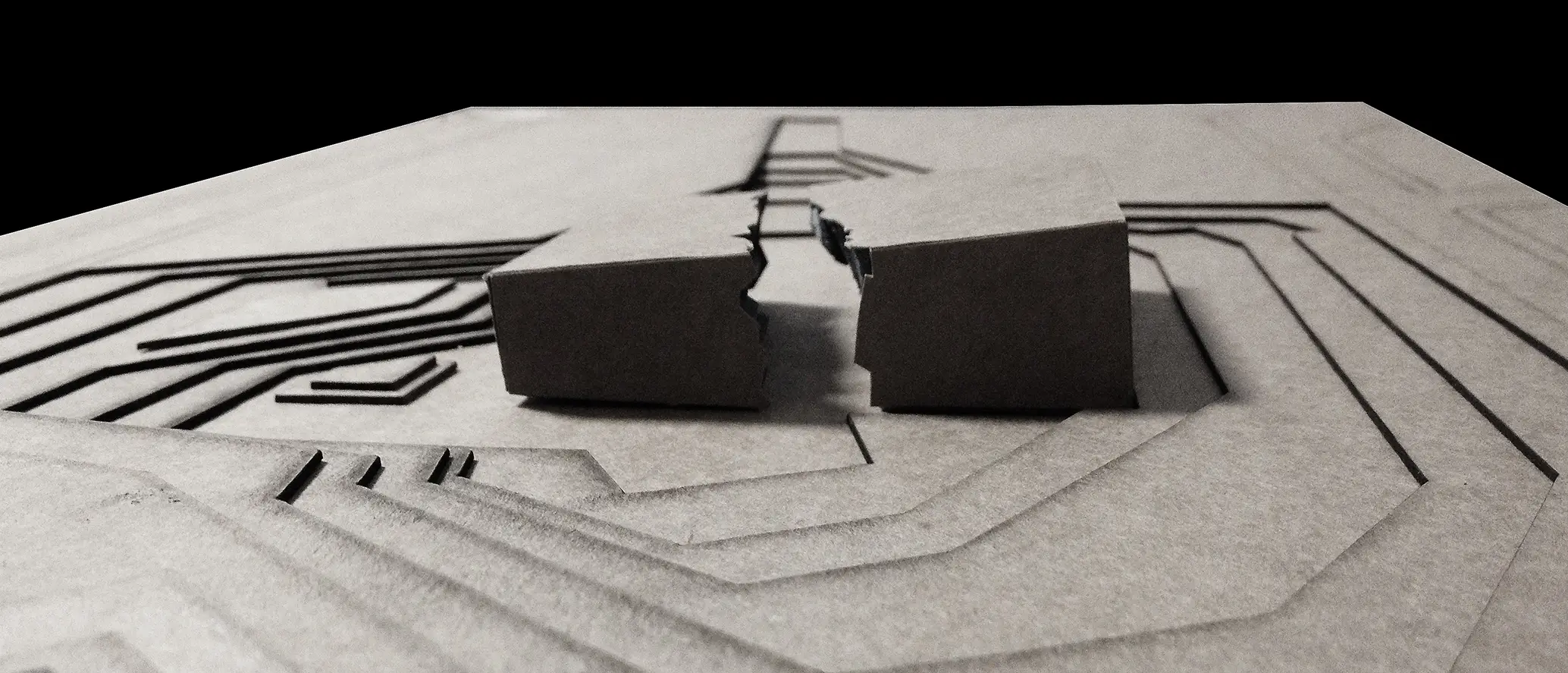
Built like a shattered prism that gives form to the rupture war leaves in memory, the building becomes a bright volume that radiates light, in contrast to the darkness that brought it into being. The structure is deliberately left undefined and ambiguous, creating a striking spatial experience in which floor, wall and ceiling merge, and proposing a transparent void that confronts the past while looking to the future with hope.
Year
2015
Program
MUSEUM


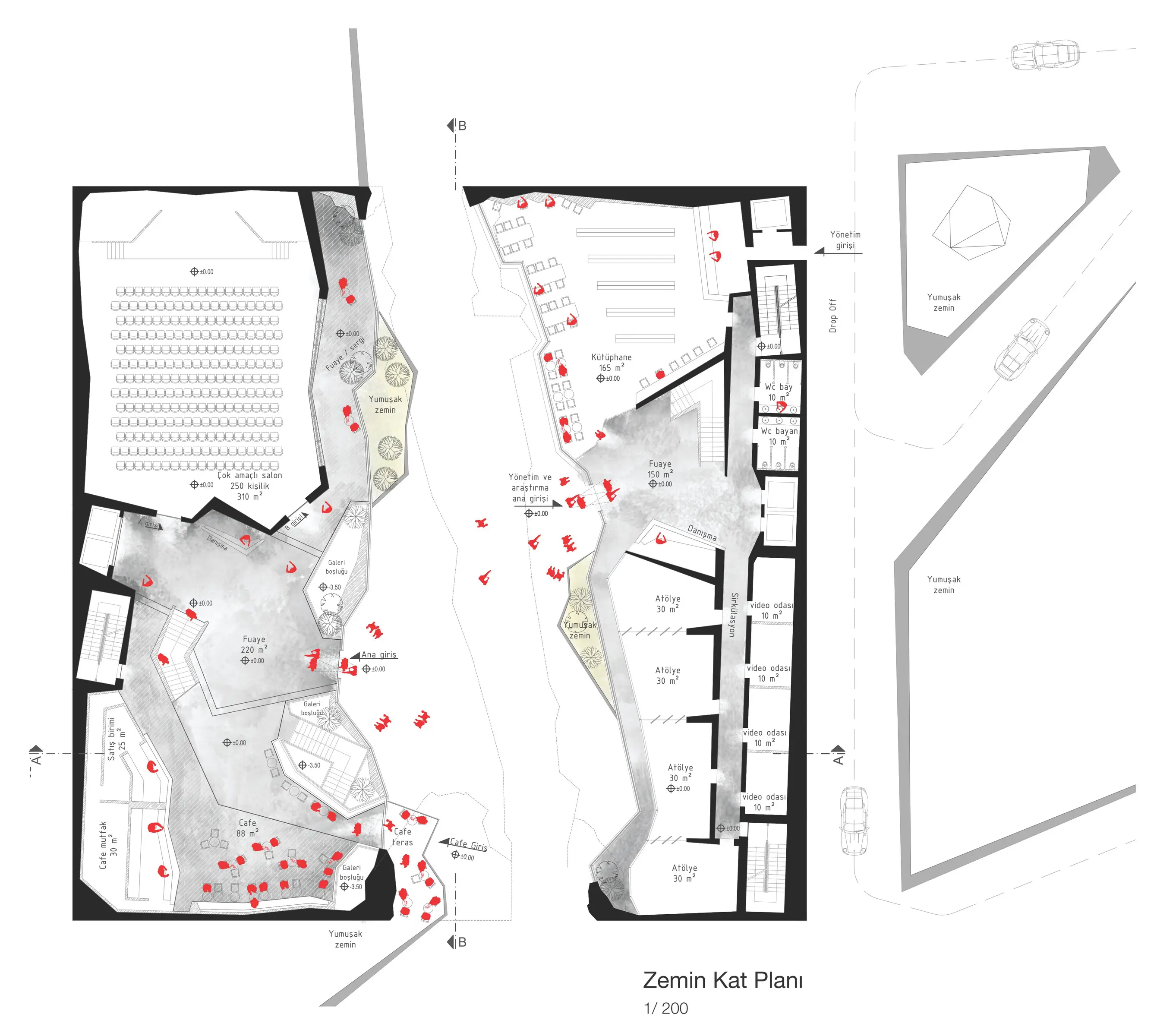
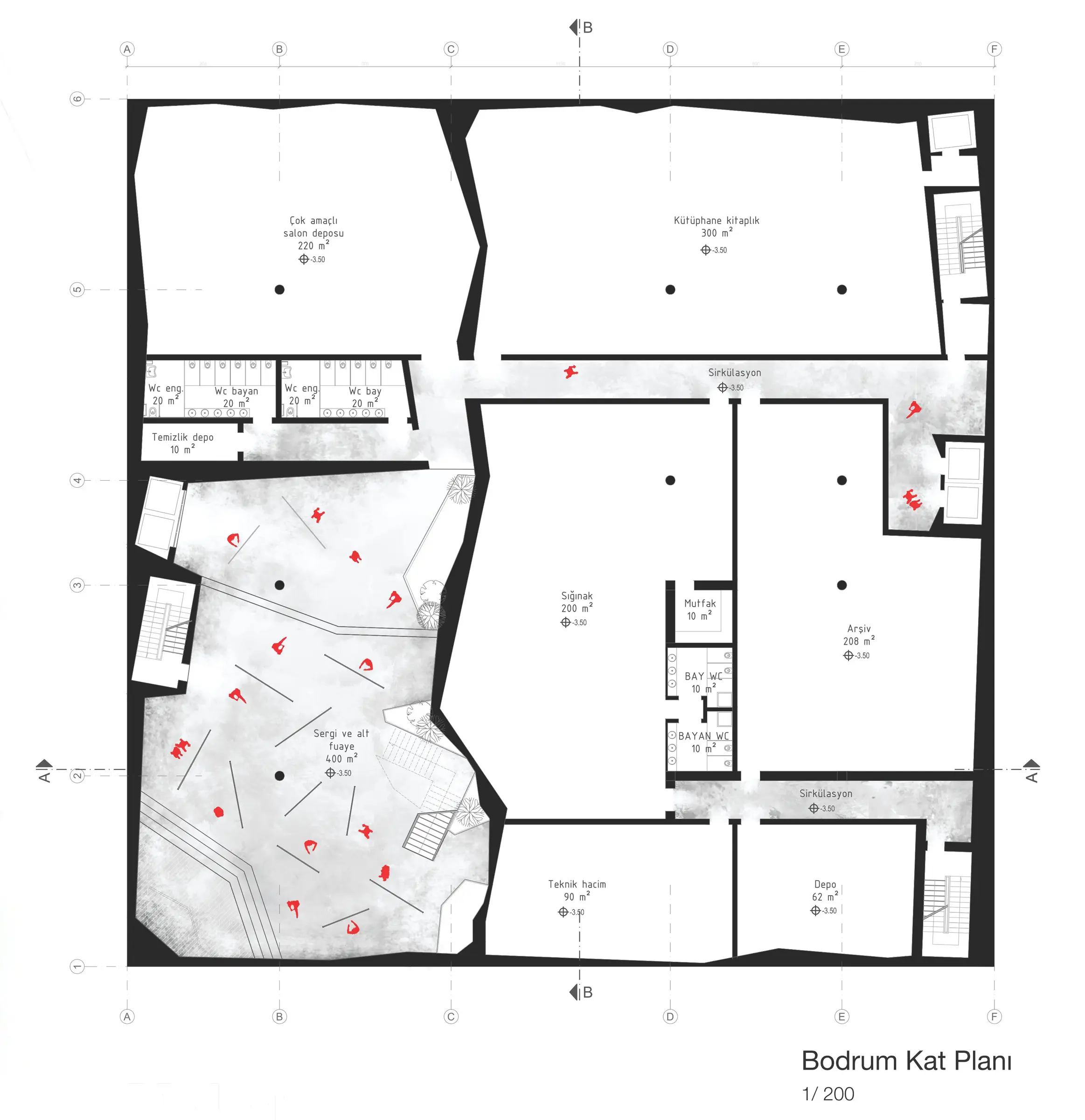
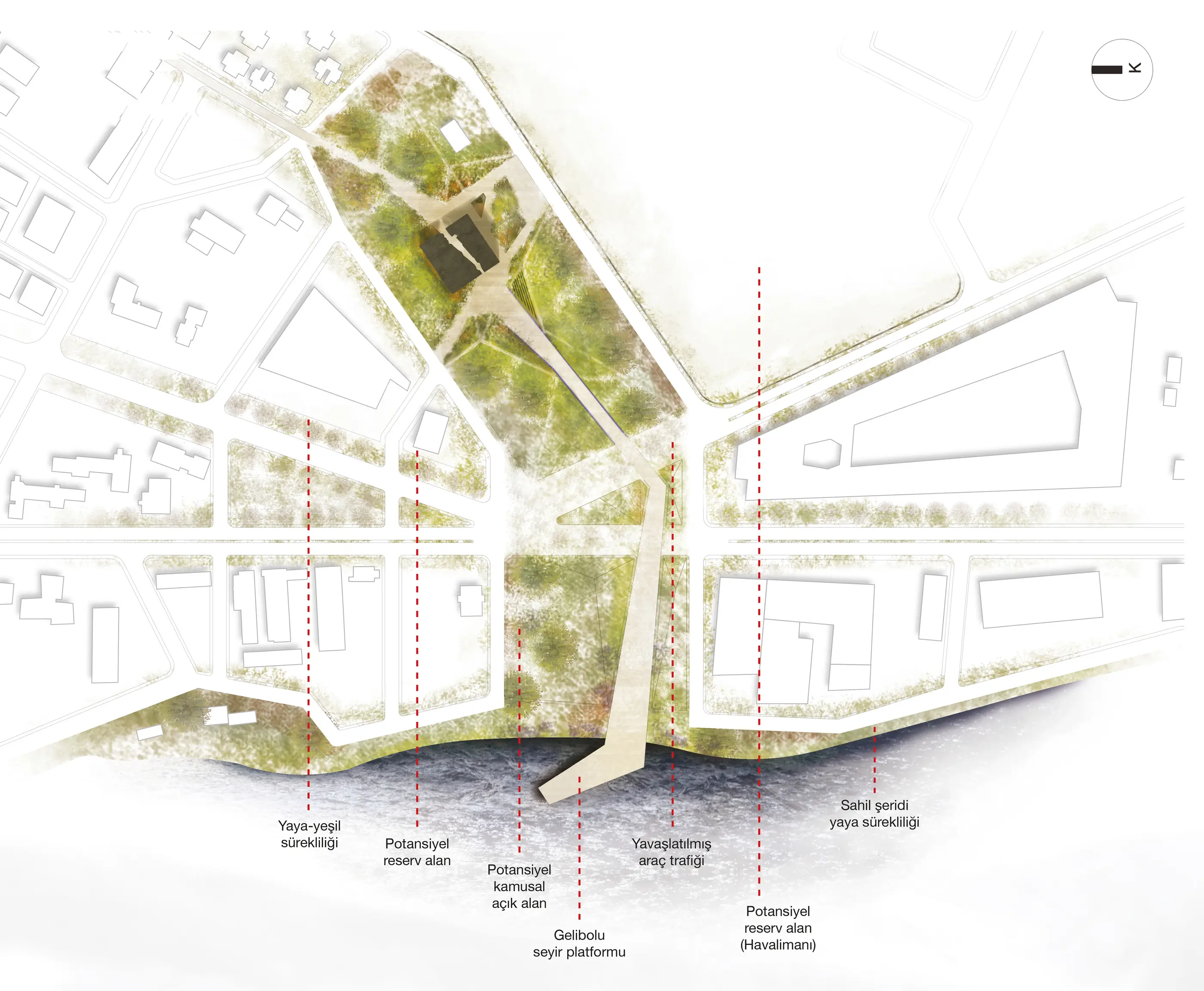
War breaks, distorts and destroys…
It is dark…. Concrete and artificial….
It leaves striking images behind….
Deep wounds in memory, traces in what is natural…
In the world of essence and images taken from history
it calls for room for emotional touches.
Sometimes concrete, sometimes abstract …
Beyond physical or spatial discussions, the Çanakkale War Research Center called for room for emotional touches within the world of essence and images inherited from history.
The proposed building therefore focused on feelings and images, asking whether they have any link to the building’s physicality, and whether the empirical facts of war amount to nothing more than these. This raised the question of what is expected of the building and what relationship it forms as a collective product in its users’ memory. It may be hard for citizens or users to grasp, but the project took on the responsibility of judging the quality of the space in this sense. It put forward a proposition far deeper than simple analyses of form, function, structure or material.
It focused on these questions: how can the effects a building leaves on collective memory, detached from its physical context and in the world of images, be designed? How can something like war, which could be discussed for days and years, become a single artifact?
The “artifact” proposed in the project is simple and neutral; it asks to have the strength to absorb and distil the complex, hard-to-understand consequences of recent history and to view them from a higher scale. A certain intensity of feeling is developed in an unfamiliar way. The building thus seeks a strong analogy with the images created by the idea of war.
It is left to the user to understand how real each thing is within this intensity of feeling.
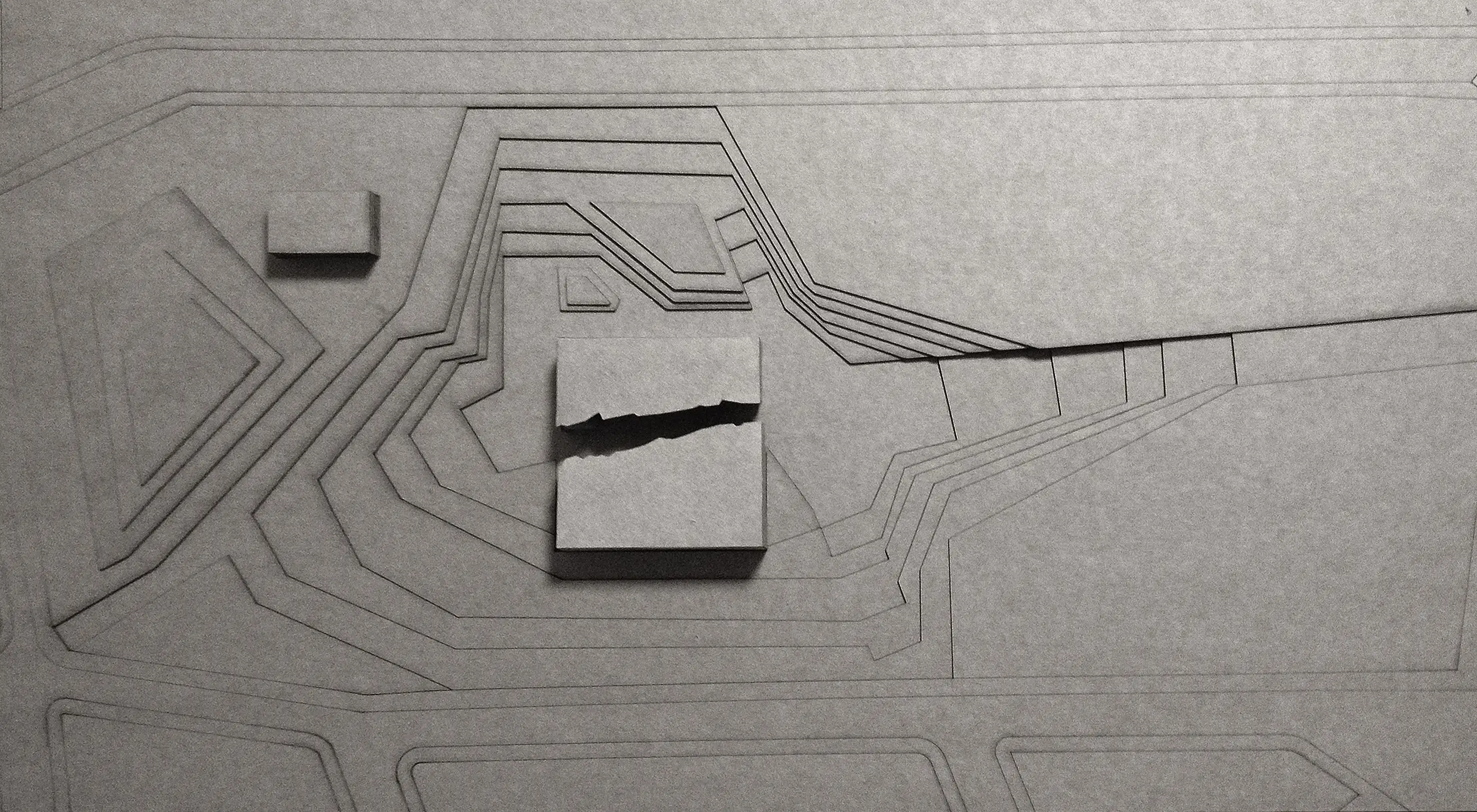
It is a shattered and distorted form of a concrete, artificial prism, a kind of expression of darkness and brokenness. It almost seems to wait for its missing pieces to be put back together. It interprets the abstract meanings of a concrete reality. Abstraction aims to leave unexpected, uncontrollable effects and traces such as fragmentation, separation and fracture. In contrast to the fact of war that brought it into being, this effect aims to make it a mass that radiates light and brightness.
The building thus forms a kind of dialectical bond with the idea of war that created it.
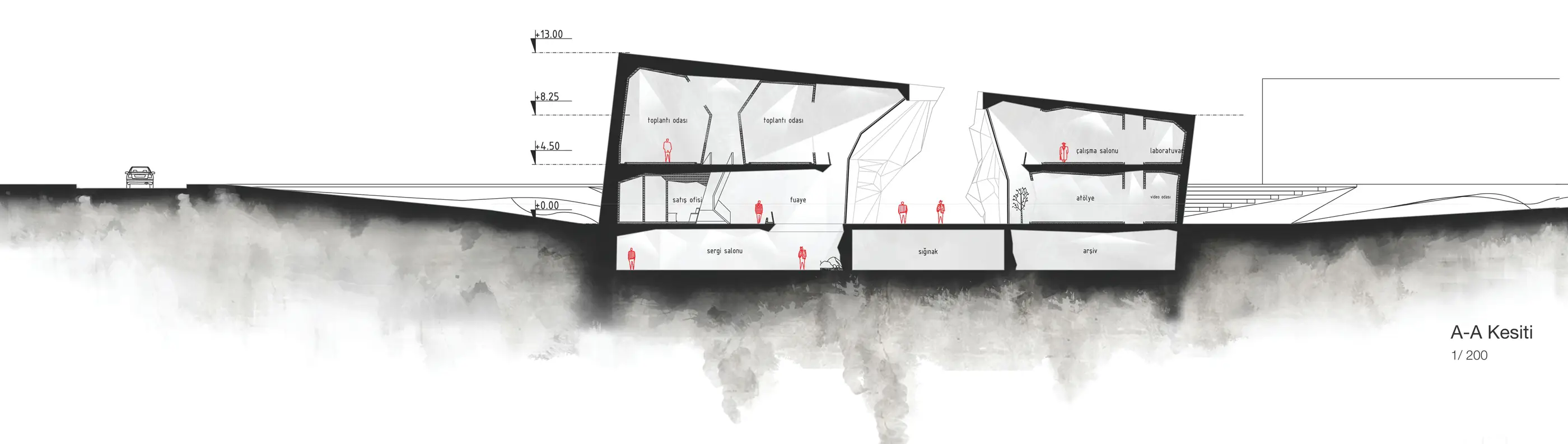
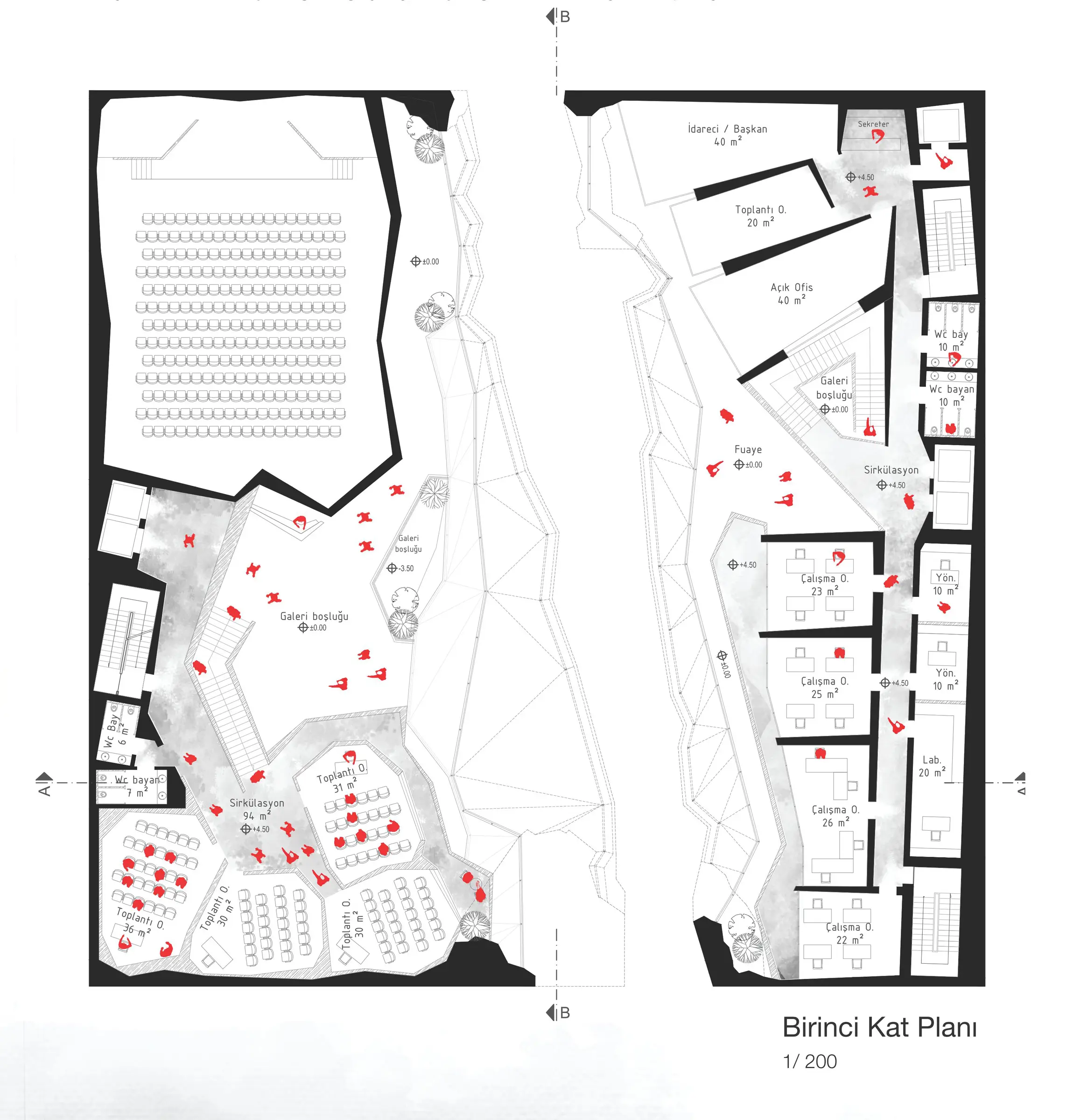
It gathers and unites its users. Through the differentiation of neutral forms full of surprises and contradictions, it aims to look to the future with hope while dealing with the past. The broken, distorted pieces are brought forward and illuminated by the transparency of glass and the depth of light. Reflections and shadows heighten this effect. Perhaps the negative imagery of war is softened a little. The building becomes a bright, transparent void that brings the dark pages of history to light. Striking, complex geometric surfaces merge with floor, ceiling and wall. Far from an easily understood layout, it waits to be understood and discovered. In this way, the researcher’s spirit of experiment and excitement for the past are reinforced.
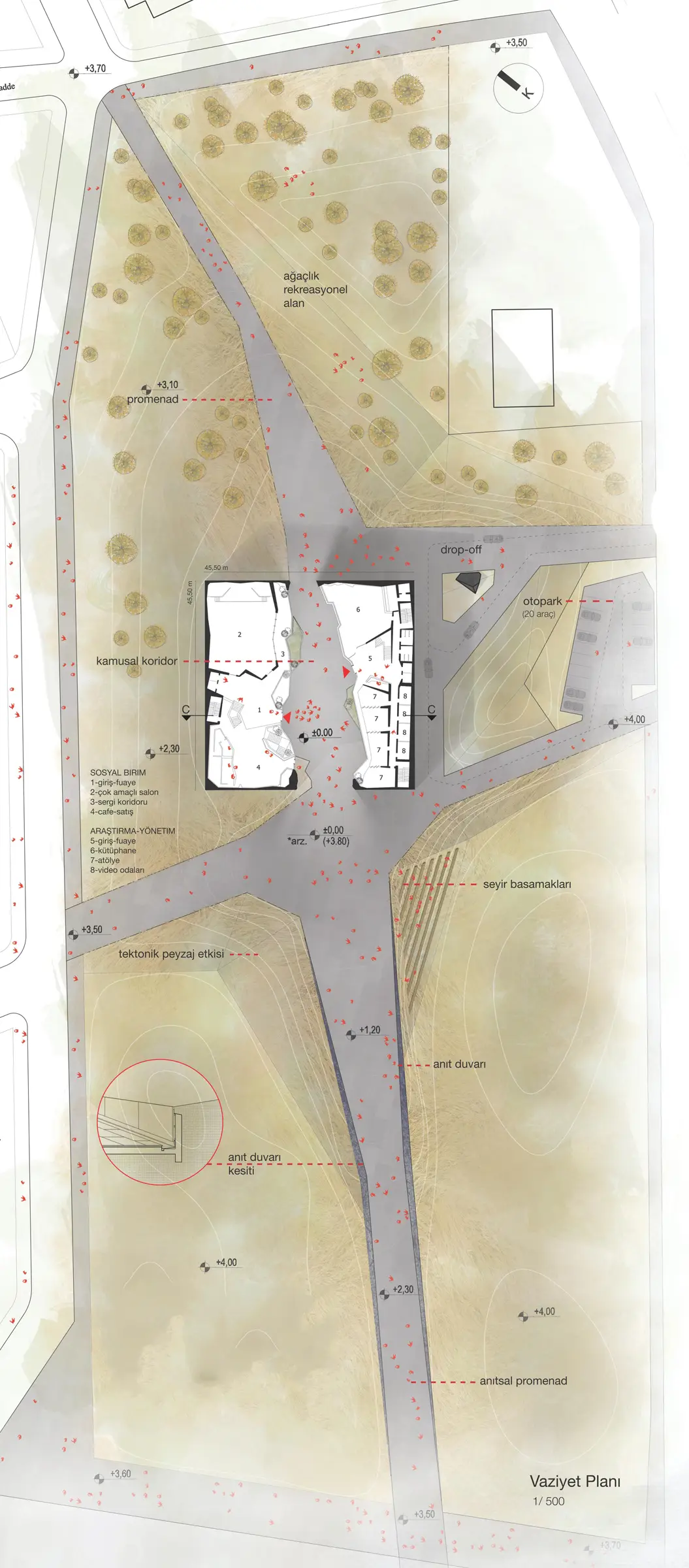
It is undefined and ambiguous. From outside it emphasises a solid, dominant, massive volume, while spatially it refers to openness and flexibility. Floor, wall and ceiling merge as much as possible, and for this the expression of structure is erased in section and plan. As the entire structural system and other elements interlock in the third dimension, an artistic composition emerges. The undefined, ambiguous structure reinforces the massive and artificial effect of the volume.
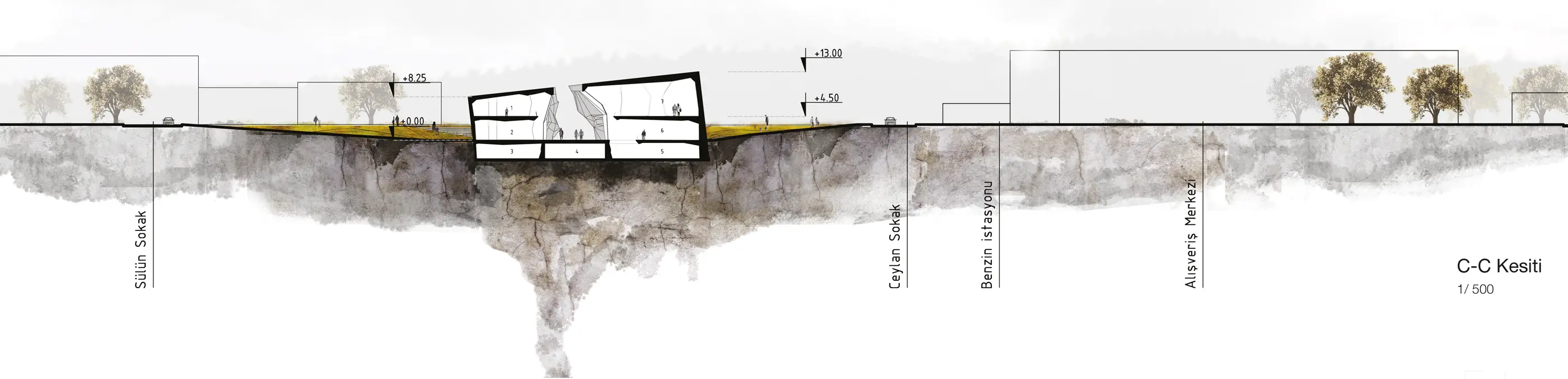
It develops as an extension of the mass and structure. A tectonic expression thus spreads across the whole landscape. Like the chosen materials, the landscape elements are natural and familiar. Simple and neutral, the landscape becomes a modest plinth that heightens the effect of the mass.
Other work by Baraka at a similar scale and program.